
Tagged for August
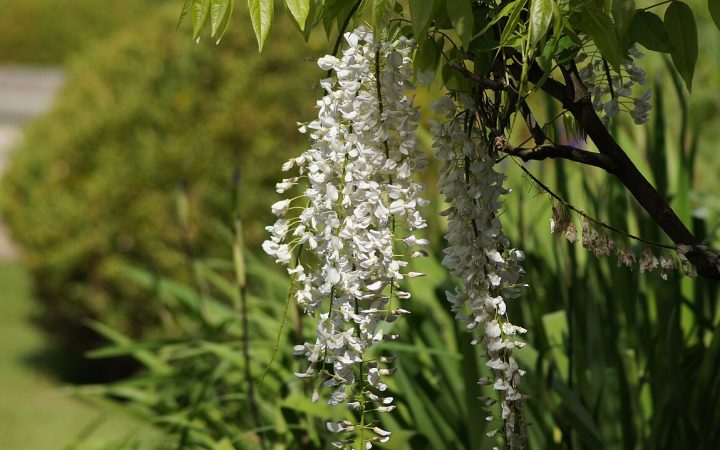
How to Grow and Prune Wisteria in the UK
Published
Choose the right wisteria, build a strong framework and follow a clear summer and winter pruning routine, with practical help for plants that will not flower.
Read guide →August is a month of abundant harvests, mature borders and increasingly noticeable signs that the growing season is beginning to change. Hot, dry weather remains possible across the UK, although cooler nights and periods of heavy rain can become more frequent as the month progresses.
Regular harvesting, watering and deadheading keep productive and flowering plants performing well. There is also plenty to sow for autumn, winter and early spring, particularly salads, oriental greens and spring cabbage. As spaces appear after crops are cleared, bare soil can be covered with green manures. This is also an important month for collecting seed, taking cuttings and preparing plants for the months ahead.
UK conditions vary. Adjust timings for your local weather, soil and exposure.
Month tags describe the topic, not the publication date. Wider seasonal and recent articles have their own labels when more guides are needed.
Tagged for August
Published
Choose the right wisteria, build a strong framework and follow a clear summer and winter pruning routine, with practical help for plants that will not flower.
Read guide →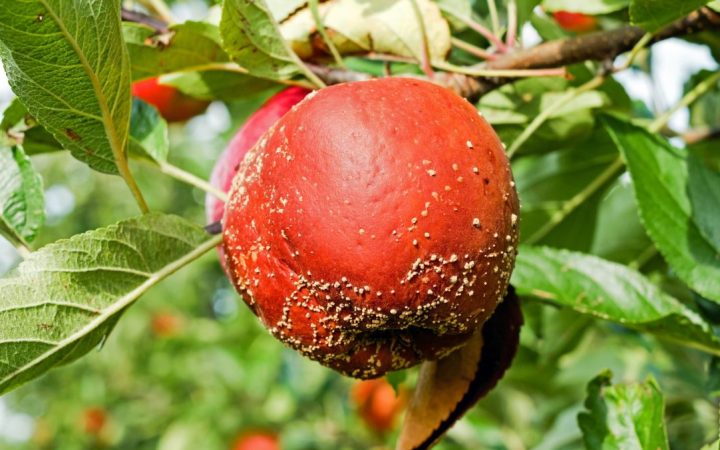
Tagged for August
Published
Not sure what is wrong with your apple tree? Use this practical UK guide to identify common apple tree pests, diseases and disorders from the symptoms on the leaves, fruit, branches and blossom.
Read guide →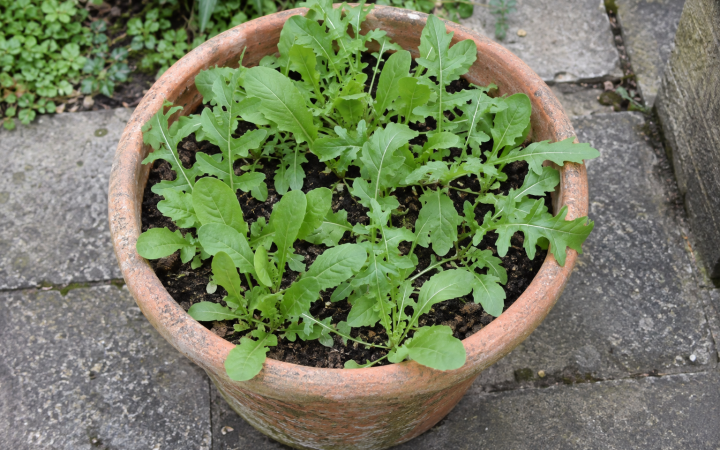
Tagged for August
Published
Make room for one more crop this September. Follow our practical guide to sowing rocket, protecting later sowings and picking fresh autumn leaves.
Read guide →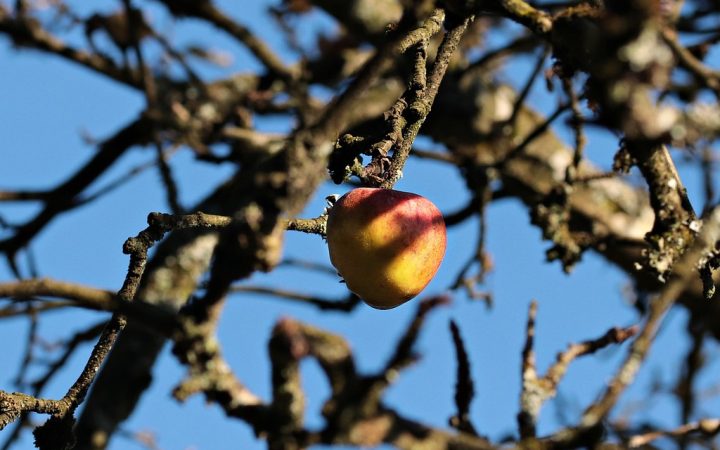
Tagged for August
Published
When, Why and How to Prune Apple Trees in UK Gardens Apple tree pruning is one of the most misunderstood jobs in the garden. Many gardeners know it…
Read guide →
More seasonal gardening guides
Published
Make your garden useful to wildlife this winter with clean water, natural food, shelter and safe access, plus the latest RSPB bird feeding guidance.
Read guide →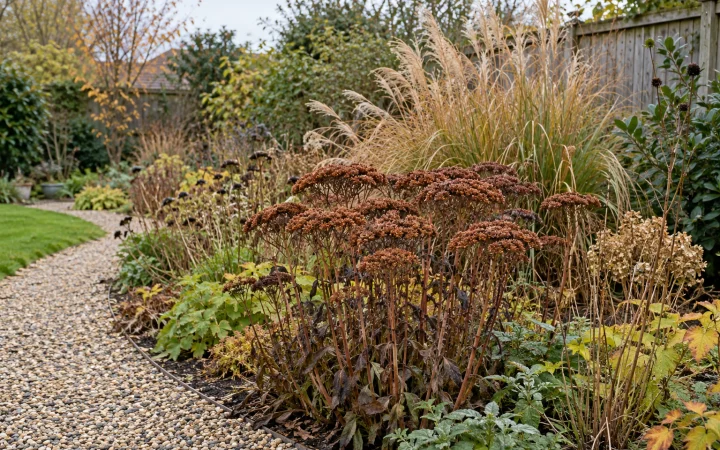
More seasonal gardening guides
Published
Tidy autumn borders with confidence. Learn which plants to clear, which stems and seedheads to keep, and which pruning jobs can wait until spring.
Read guide →