
Tagged for July
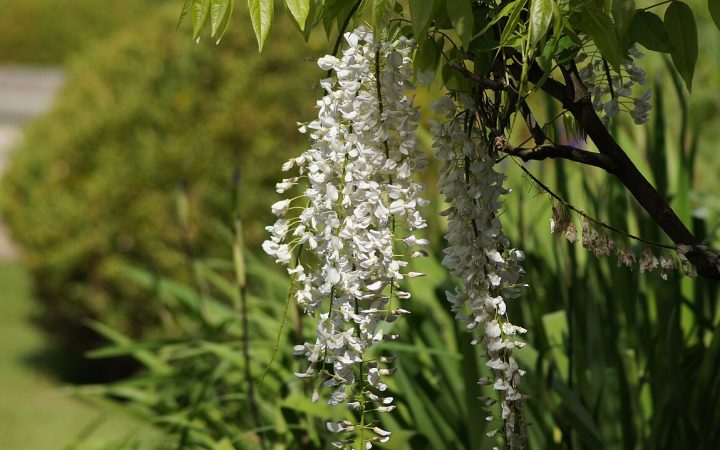
How to Grow and Prune Wisteria in the UK
Published
Choose the right wisteria, build a strong framework and follow a clear summer and winter pruning routine, with practical help for plants that will not flower.
Read guide →July is usually one of the warmest and most productive months in UK gardens. Long days encourage fast growth and heavy cropping, but periods of heat and drought can place newly planted crops, containers and shallow rooted plants under considerable stress. Cooler and wetter conditions remain possible, particularly in northern and western areas.
Watering, harvesting and keeping vigorous plants supported are the main priorities. Regular picking keeps many vegetables productive, while succession sowing now provides crops for late summer and autumn. Borders are full of growth, so deadheading and selective cutting back help maintain displays. Warm, humid conditions can also encourage several plant diseases, making regular inspection worthwhile.
UK conditions vary. Adjust timings for your local weather, soil and exposure.
Month tags describe the topic, not the publication date. Wider seasonal and recent articles have their own labels when more guides are needed.
Tagged for July
Published
Choose the right wisteria, build a strong framework and follow a clear summer and winter pruning routine, with practical help for plants that will not flower.
Read guide →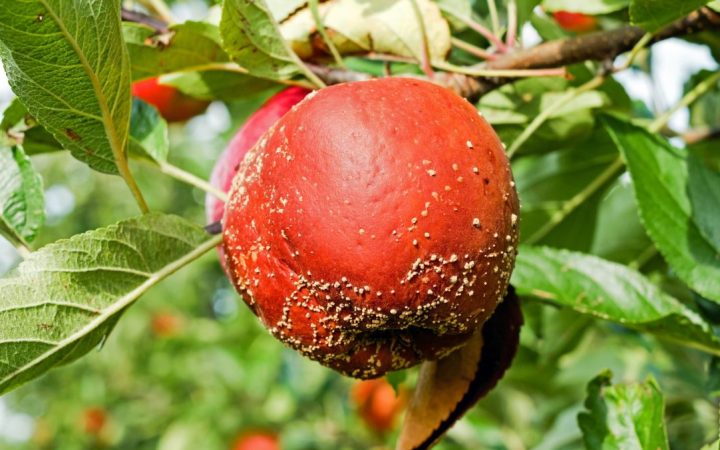
Tagged for July
Published
Not sure what is wrong with your apple tree? Use this practical UK guide to identify common apple tree pests, diseases and disorders from the symptoms on the leaves, fruit, branches and blossom.
Read guide →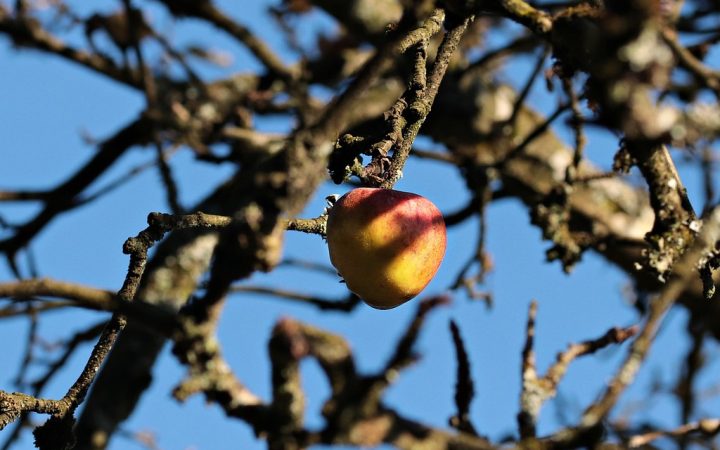
Tagged for July
Published
When, Why and How to Prune Apple Trees in UK Gardens Apple tree pruning is one of the most misunderstood jobs in the garden. Many gardeners know it…
Read guide →
More seasonal gardening guides
Published
Make your garden useful to wildlife this winter with clean water, natural food, shelter and safe access, plus the latest RSPB bird feeding guidance.
Read guide →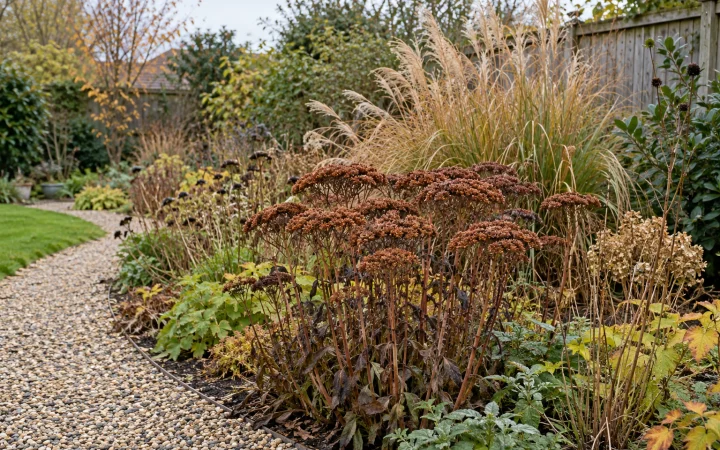
More seasonal gardening guides
Published
Tidy autumn borders with confidence. Learn which plants to clear, which stems and seedheads to keep, and which pruning jobs can wait until spring.
Read guide →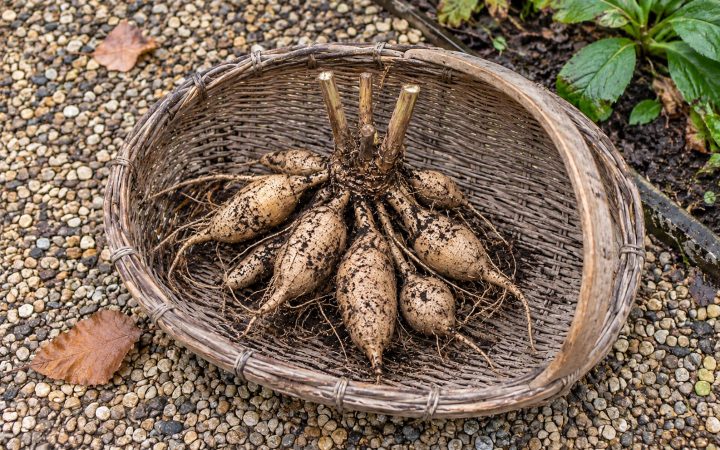
More seasonal gardening guides
Published
Should you lift your dahlias or leave them in the ground? Choose the right winter method for your garden, then follow our guide to lifting, storing and protecting tubers.
Read guide →