Many gardeners put a huge amount of effort into choosing the right plants, feeding regularly, and watering carefully, yet still struggle with poor growth, stressed plants, or areas of the garden that never seem to perform well. When this happens, the problem is often blamed on the weather, lack of nutrients, or bad luck.
In reality, the issue is very often hidden below the surface.
Soil structure plays a fundamental role in how a garden functions. It affects how water moves through the soil, how easily roots can grow, how much air is available underground, and how effectively plants can access nutrients. Even the healthiest plants will struggle if the soil structure beneath them is poor.
One of the reasons soil problems are so common is that soil structure is frequently misunderstood. It is often confused with soil texture or assumed to improve simply by digging more or breaking the soil up. In practice, repeated disturbance and compaction can make structural problems worse, not better.
Healthy soil structure is not about having loose soil on the surface. It is about the arrangement of soil particles into stable aggregates with spaces between them. These spaces allow water, air, roots, and soil life to move freely, creating conditions where plants can grow with less stress and greater resilience.
Understanding soil structure helps explain why some gardens cope better with heavy rain, dry periods, or high foot traffic, while others struggle year after year. It also explains why small changes in how soil is managed can lead to long-term improvements, even without expensive products or intensive work.
This article explores what soil structure really is, why it matters so much, what damages it, and how it can be improved naturally. By the end, you should be able to look at your own soil with a clearer understanding of what is happening beneath your feet, and how to work with it rather than against it.
What Is Soil Structure?
Soil structure refers to the way individual soil particles are arranged and held together in the soil. These particles bind into small clusters called aggregates, with spaces between them known as pores. It is this arrangement, rather than the soil particles themselves, that determines how well soil functions.
Good soil structure creates a balance of different pore sizes. Larger pores allow water to drain and air to move through the soil, while smaller pores hold moisture that plant roots can access between rainfall or watering. Together, these spaces support healthy root growth and active soil life.
Soil structure is often confused with soil texture, but the two are not the same. Texture describes the proportion of sand, silt, and clay in the soil and changes very little over time. Structure, on the other hand, is dynamic. It can improve or deteriorate depending on how the soil is managed, how often it is disturbed, and how much organic matter and biological activity it contains.
A useful way to think about soil structure is to imagine a well built sponge. It is firm enough to hold its shape, yet full of interconnected spaces that allow water and air to move freely. Poorly structured soil is more like a solid block, where movement is restricted and roots must struggle to find space to grow.
Soil structure develops naturally through the action of plant roots, earthworms, fungi, and microorganisms. Organic matter acts as a binding agent, helping soil particles stick together into stable aggregates. When this natural process is supported, soil becomes more resilient to compaction, erosion, and extremes of wet or dry conditions.
When soil structure is damaged, these aggregates break down. Pores collapse, drainage slows, oxygen levels drop, and root growth becomes restricted. This can happen even in soils that are otherwise fertile and well fed, showing why structure is just as important as nutrients when it comes to plant health.
Why Soil Structure Is So Important
Soil structure influences almost every process that happens below ground. It affects how water enters and moves through the soil, how much air is available to roots, how easily plants can explore the soil for nutrients, and how active soil life can be. When structure is healthy, these processes work together smoothly. When it is poor, problems quickly begin to appear above ground.
One of the most important roles of soil structure is regulating water. Well structured soil allows excess water to drain away while still holding enough moisture for plants to use between rainfall or watering. Poor structure can cause water to sit on the surface or run off instead of soaking in, while deeper layers may remain dry or oxygen deprived.
Root growth is also heavily dependent on soil structure. Roots need spaces to move through the soil and access water, air, and nutrients. In compacted or poorly structured soil, roots often become shallow, distorted, or restricted to cracks. This makes plants more vulnerable to drought, wind, and nutrient stress.
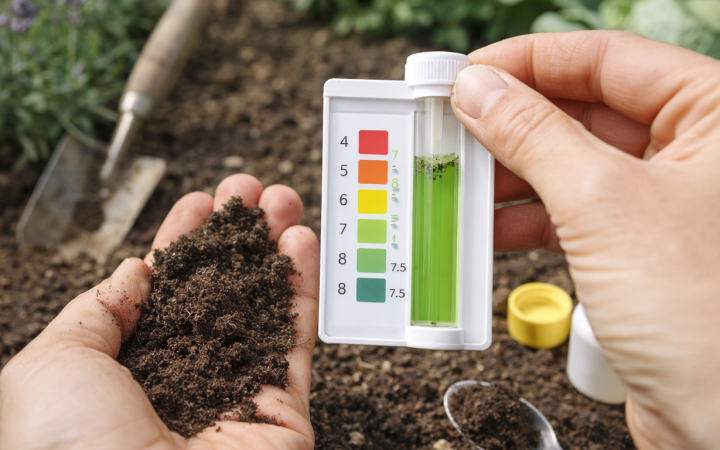
Nutrient availability is also affected by soil chemistry. A soil may have a healthy physical structure but still restrict particular nutrients if its acidity or alkalinity is unsuitable. Our guide to understanding soil pH explains how this influences nutrient uptake and plant health.
Soil structure also affects how resilient a garden is to changing conditions. Structured soil is better able to cope with heavy rain, dry spells, and repeated planting. It resists compaction more effectively and recovers faster when it is disturbed. Over time, this leads to more consistent plant performance and fewer problem areas.
Perhaps most importantly, good soil structure reduces the amount of work needed from the gardener. Plants grow more strongly, water is used more efficiently, and problems become easier to manage. Rather than constantly reacting to poor growth or stressed plants, improving soil structure allows the garden to function as a more balanced and self supporting system.
Signs of Poor Soil Structure
Poor soil structure often shows itself through a combination of physical soil problems and struggling plants. These issues can appear gradually or become obvious after periods of heavy rain, drought, or repeated use of the same area.
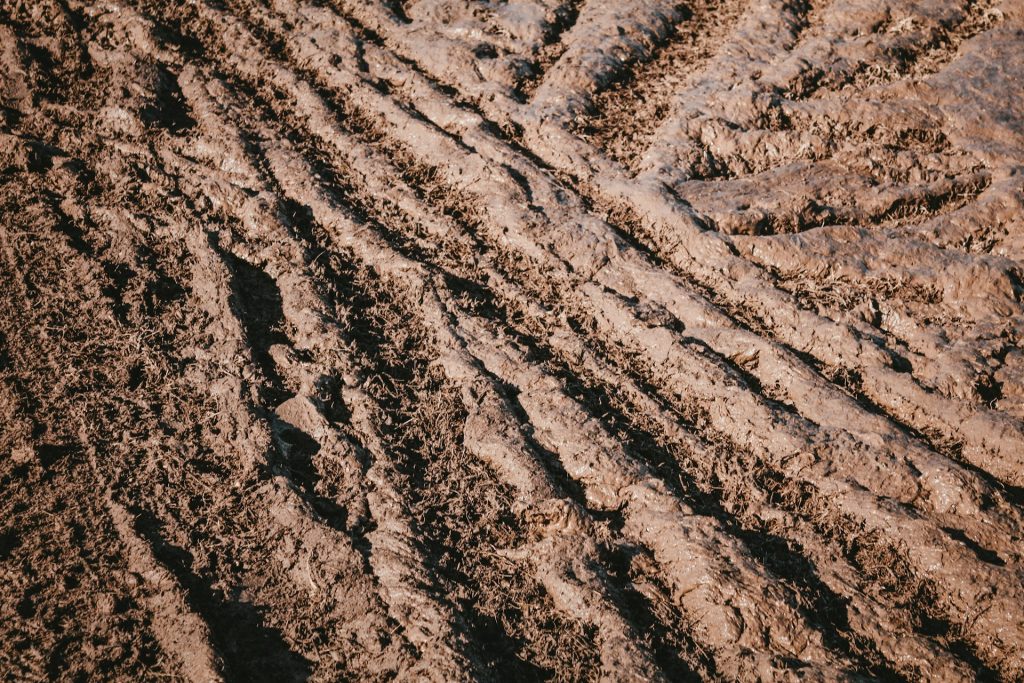
One of the clearest signs is compaction. Soil may feel hard underfoot or difficult to work, especially when dry. When wet, it may become sticky and dense, forming smooth surfaces rather than breaking into crumbs. This indicates that soil particles are tightly packed with very few spaces between them.
Water behaviour is frequently problematic. Poorly structured soil may allow water to pool on the surface or run off instead of soaking in. In other cases, the surface may dry quickly while lower layers remain saturated, leading to poor oxygen levels around plant roots.
Root growth is often restricted in these conditions. Roots may grow sideways rather than downwards, follow cracks in the soil, or form tight, shallow systems. This limits the plant’s ability to access water and nutrients and makes it more vulnerable to stress.
Soil life is usually reduced in poorly structured soil. Earthworms and other organisms are less active or absent altogether, and organic matter tends to sit on the surface rather than being incorporated into the soil.
Above ground, plants may show signs of stress even when watering and feeding seem adequate. Growth may be weak or uneven, leaves may yellow or wilt easily, and some areas of the garden may consistently underperform year after year. These repeated problems are often a sign that soil structure, rather than plant choice or care, is the underlying issue.
What Damages Soil Structure
Soil structure is surprisingly easy to damage, often through everyday gardening activities that are done with good intentions. Understanding these causes is key to preventing long-term problems.
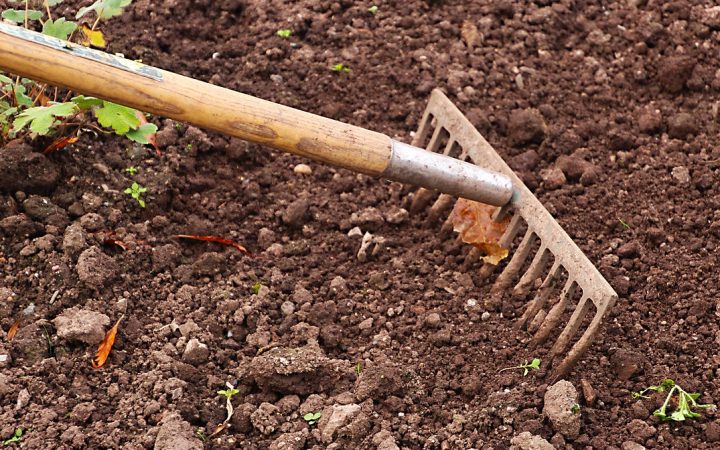
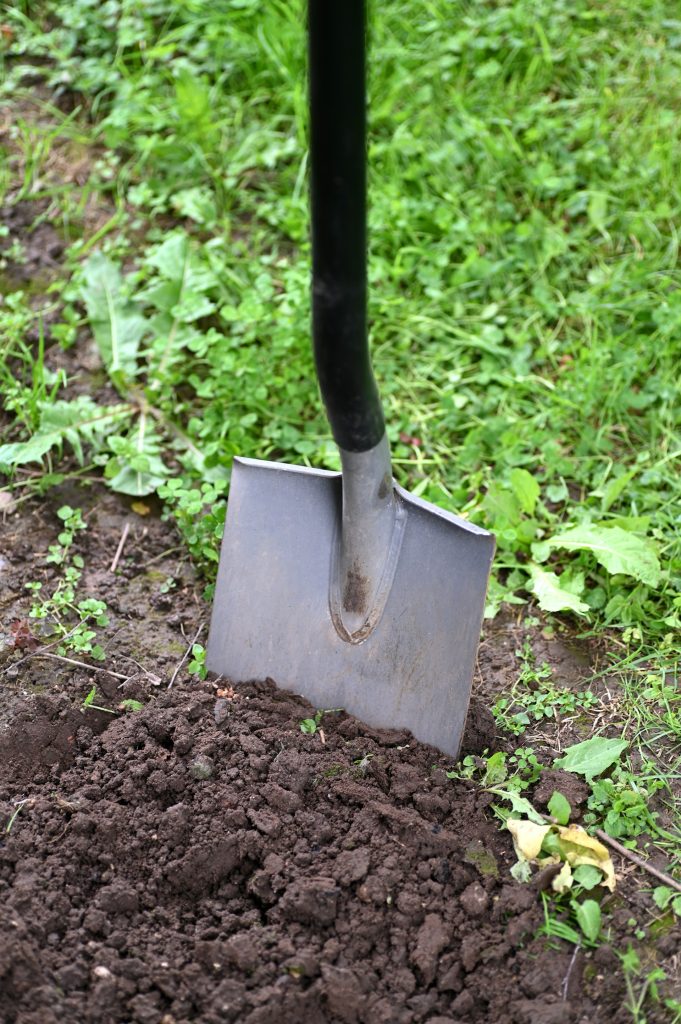
One of the most common causes of structural damage is working soil when it is wet. When wet soil is dug, trodden on, or compacted by weight, the spaces between soil particles collapse. Once this happens, it can take a long time for natural processes to rebuild those pores.
Repeated digging and rotavating can also break down soil structure. While soil may look loose immediately after cultivation, frequent disturbance destroys aggregates and disrupts the organisms that help bind soil together. Over time, this leads to compaction below the surface and poorer overall soil health.
Foot traffic and machinery are other major factors. Regularly walking over the same areas, especially beds and borders, compresses the soil and reduces pore space. Even lightweight equipment can cause damage if used repeatedly on vulnerable soil.
Leaving soil bare for long periods weakens the structure as well. Without plant roots or organic cover, soil is exposed to rain impact, erosion, and temperature extremes. This causes aggregates to break down and surface crusting to form.
A lack of organic matter also contributes to structural decline. Organic matter acts as a binding agent and food source for soil life. When it is missing, soil becomes less resilient and more prone to compaction, cracking, or waterlogging.
These forms of damage often build up slowly, which is why soil structure problems can persist unnoticed for years. By recognising how structure is harmed, gardeners can begin to protect it and support natural recovery rather than unintentionally making conditions worse.
Common Myths About Improving Soil
There are several widely held beliefs about soil improvement that can actually make structural problems worse. These myths often persist because their effects are not immediate, or because short term results are mistaken for long term improvement.
One common belief is that more digging automatically leads to better soil. While digging can loosen the surface temporarily, repeated disturbance breaks apart soil aggregates and disrupts soil life. Over time, this reduces pore space and leads to compaction below the surface, even if the top layer appears loose and workable.
Another myth is that feeding plants will fix poor soil. Fertilisers can provide nutrients, but they do nothing to improve soil structure. In compacted or poorly structured soil, plants may still struggle to take up nutrients effectively, no matter how much is applied.
Breaking soil up into fine particles is also often seen as a sign of good preparation. In reality, overly fine soil is more likely to collapse, crust over, and compact again after rain. Stable aggregates are far more important than finely broken soil.
There is also a belief that structural problems can be solved quickly. While some improvements can be seen in a single season, healthy soil structure develops gradually. Quick fixes may improve appearance but rarely address the underlying causes.
Understanding these myths helps shift the focus away from constant intervention and towards practices that support long term soil health. Improving soil structure is less about doing more and more about doing the right things consistently.
How to Improve Soil Structure Naturally
Improving soil structure does not require constant digging or expensive inputs. In most cases, the most effective changes involve supporting natural processes and reducing practices that cause damage.
Adding organic matter regularly is one of the most effective ways to improve structure. Compost, well-rotted manure and leafmould help soil particles form stable aggregates while providing food for earthworms and microorganisms. If you have fallen leaves available, our guide to making and using leafmould explains how to turn them into a valuable soil conditioner.
Mulching the soil surface is another important practice. A protective layer of organic material reduces the impact of heavy rain, limits surface compaction, and helps regulate soil moisture and temperature. Over time, mulches break down and are incorporated into the soil by worms and microorganisms.
If you are planning to cover a larger area with compost or mulch, it helps to calculate the quantity before ordering. Our free Garden Materials Calculator works out the volume you need from your measurements and chosen depth, then converts it into bags or bulk quantities.
Planning to mulch a border or add a layer of compost? Use our garden materials calculator to work out how many litres, bags or bulk bags you will need for your chosen area and depth.
Reducing disturbance allows soil structure to stabilise and recover. Limiting digging, avoiding rotavation, and using no dig or low disturbance methods helps preserve aggregates and soil life. Where soil must be worked, doing so only when conditions are suitable greatly reduces damage.
Plant roots are natural soil builders. Keeping soil planted where possible, even with temporary cover crops or shallow rooted plants, helps maintain structure. Roots create channels through the soil, improve aggregation, and leave behind organic matter as they grow and decay.
Managing traffic is also important. Keeping to paths, avoiding walking on beds, and spreading weight when access is unavoidable all help reduce compaction. Once compaction is prevented, soil structure is far easier to maintain.
Improving soil structure is a gradual process, but it is also a forgiving one. Small, consistent changes compound over time, leading to soil that drains better, supports healthier plants, and requires less effort to manage.
Soil Structure and Wildlife
Soil structure is not created by physical processes alone. It is built and maintained by a complex community of living organisms working together beneath the surface. Healthy soil structure is both a result of, and a support for, this underground life.
Earthworms play a major role in shaping soil structure. As they move through the soil, they create channels that improve drainage and aeration. Their castings help bind soil particles into stable aggregates, improving both structure and fertility. Where earthworms are active, soil is often more resilient and easier for roots to grow through.
Fungi and microorganisms are equally important. Fungal networks help hold soil particles together, forming stable aggregates that resist compaction and erosion. Microbes break down organic matter, releasing substances that act as natural binding agents within the soil.
Plant roots also contribute to soil structure in living and dead forms. Growing roots push through soil, creating pathways and improving porosity. When roots die back, they leave behind channels that allow water, air, and new roots to move through the soil more easily.
This living structure supports wildlife beyond the soil itself. Healthy soils produce stronger plants, which in turn support insects, birds, and other animals. Even species such as hedgehogs benefit indirectly through improved invertebrate populations and more stable garden environments.
When soil structure is damaged, these living systems are disrupted. Compaction, disturbance, and lack of organic matter reduce habitat quality for soil organisms, slowing natural recovery. Supporting soil life is therefore one of the most effective ways to improve structure and build a more resilient garden ecosystem.
Seasonal Considerations
Soil structure changes throughout the year in response to moisture, temperature, plant growth, and how the soil is used. Being aware of these seasonal shifts helps prevent damage and supports long term improvement.
Periods of high soil moisture are when the structure is most vulnerable. Wet soil compacts easily under foot traffic, digging, or machinery, as the spaces between soil particles collapse under pressure. Avoiding unnecessary work during these times protects the structure and allows natural recovery to continue.
Drier conditions place different stresses on the soil. Poorly structured soil may crack, harden, or shed water when rain returns. Well structured soil is better able to retain moisture and recover from dry periods without severe surface damage.
Active plant growth supports soil structure. Roots help stabilise soil, improve aggregation, and create channels that remain even after the plant has finished growing. Keeping soil planted for as much of the year as possible helps maintain this natural support.
Periods when soil is left bare are when structure is most easily lost. Rain impact, temperature extremes, and erosion all contribute to aggregate breakdown. Using mulches or temporary cover reduces these effects and protects the soil surface.
Observing soil across seasons provides valuable insight. Areas that consistently waterlog, dry out too quickly, or resist root growth often indicate structural issues rather than seasonal problems alone. Recognising these patterns allows soil management to be adjusted with structure in mind rather than reacting to symptoms as they appear.
How Soil Structure Differs From Soil Texture
Soil structure and soil texture are closely related, but they describe different aspects of the soil and are often confused with one another.
Soil texture refers to the proportion of sand, silt, and clay particles in the soil. This physical makeup is largely determined by geology and changes very little over time. Texture influences how soil behaves, such as how quickly it drains or how much water it can hold.
Soil structure, on the other hand, describes how those particles are arranged and bound together. While texture sets certain limits, structure determines how well the soil performs within those limits. Two soils with the same texture can behave very differently depending on their structure.
This is why some clay soils drain and grow plants well, while others become compacted and waterlogged. The difference is not the clay itself, but how the particles are arranged and supported by organic matter and soil life.
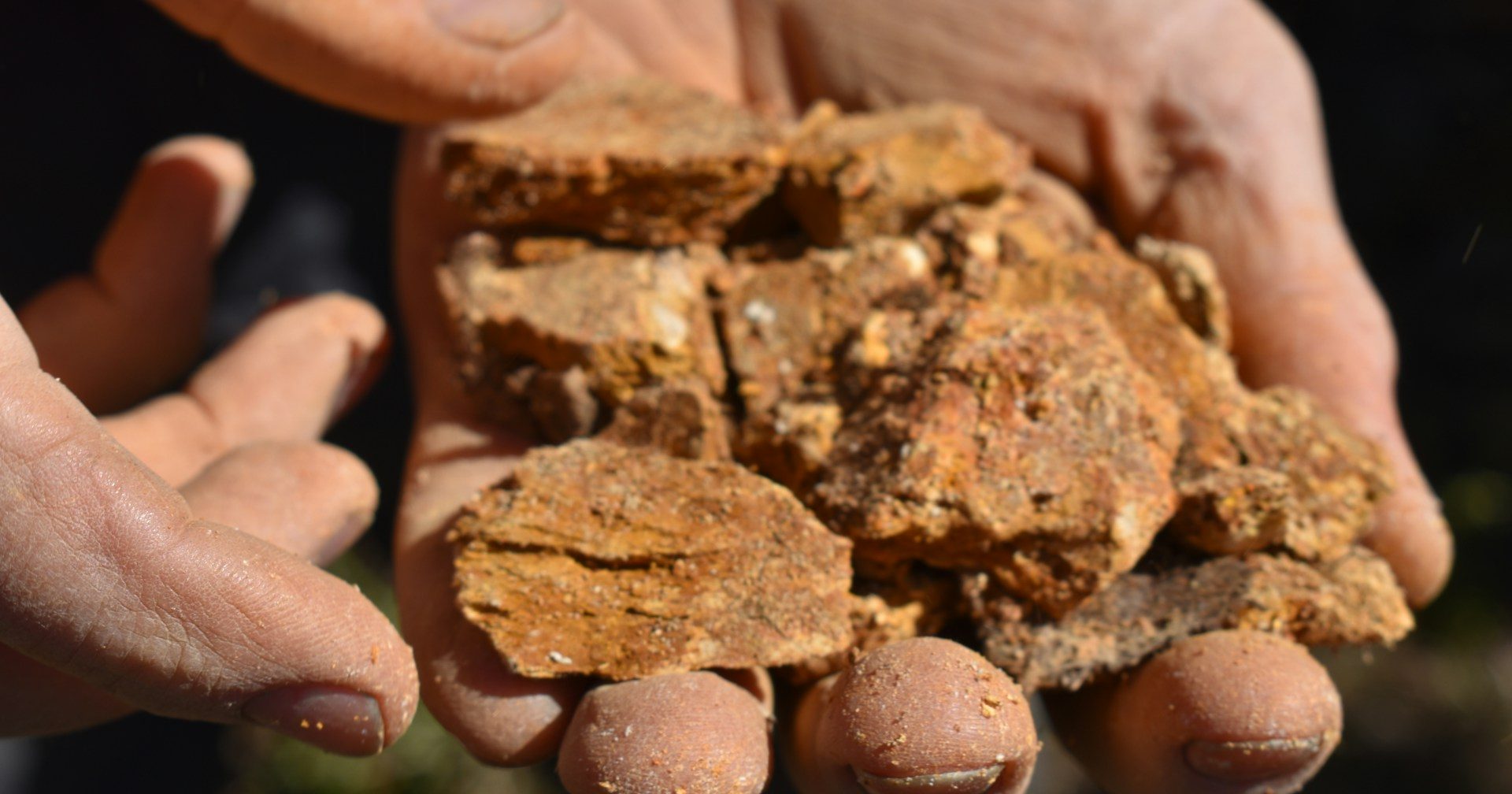
Improving structure makes the natural characteristics of your soil easier to manage, but it does not permanently change its underlying mineral composition. Learning how to identify sandy, silty or clay soil will help you understand the limitations and advantages of the ground you are working with.
Final Thoughts
Soil structure is the foundation on which every healthy garden is built. It influences how water moves, how roots grow, how nutrients are accessed, and how resilient plants are to stress. When the structure is working well, many common gardening problems become easier to manage or disappear altogether.
Improving soil structure is not about doing more work. It is about understanding what the soil needs and allowing natural processes to do much of the work for you. Protecting soil from compaction, adding organic matter, reducing disturbance, and supporting soil life all contribute to long term improvement.
Small changes, applied consistently, have a powerful cumulative effect. Over time, soil becomes easier to work, plants grow more reliably, and the garden as a whole becomes more balanced and self supporting.
By learning to observe soil and respond to what it is telling you, you can move away from short term fixes and towards a healthier, more resilient growing environment.
GHUK content is written for UK growing conditions and informed by hands-on professional gardening experience. It is designed to be practical, clear and useful in real gardens.