Many gardeners do everything they are told to do. They water regularly, apply fertiliser, choose the right position, and still some plants never seem to thrive. Growth is weak, leaves discolour, and certain plants fail repeatedly in the same areas of the garden.
In many cases, the issue is not care or effort, but soil chemistry.
Soil pH is one of the most overlooked factors in UK gardens. It quietly controls which nutrients plants can access, how roots function, and which plants will ever grow well in your soil. Two gardens can look identical on the surface, yet behave completely differently simply because their soil pH is not the same.
Understanding soil pH does not require advanced science or expensive equipment. A simple test can explain years of poor growth, wasted plants, and frustration. When you have figured out whether your soil is acidic or alkaline, plant choice and soil management become a lot more predictable.
In this guide, we will explain what soil pH really means, how it affects plant health, which plants prefer acidic or alkaline conditions, and how to test your own garden soil. Most importantly, we will help you decide whether it is better to change your soil or adapt what you grow to suit it.
What Is Soil pH?
Soil pH is a measure of how acidic or alkaline your soil is. The term pH refers to the balance of hydrogen ions in the soil, but you do not need to understand the chemistry for it to be useful in the garden.
In simple terms, soil pH tells you how easily plants can access nutrients.
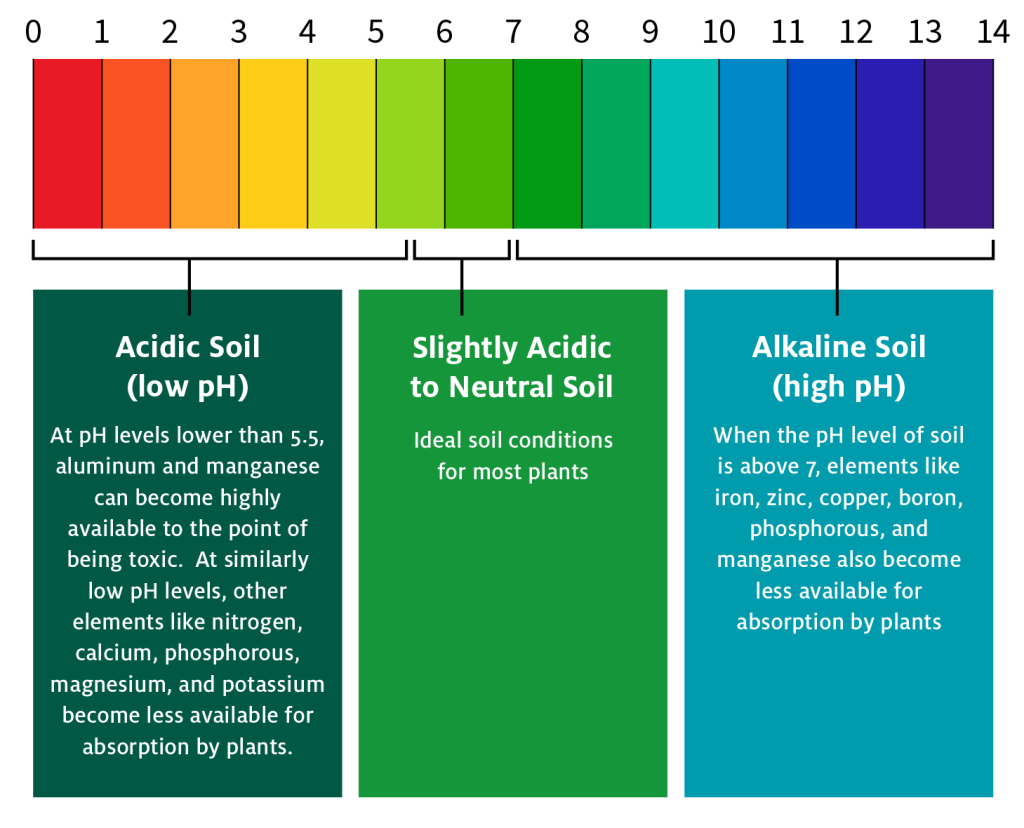
The pH scale runs from 0 to 14. Lower numbers mean acidic soil, higher numbers mean alkaline soil, and a pH of 7 is considered neutral. Most garden plants grow best somewhere between slightly acidic and neutral, but many popular plants have much more specific preferences.
UK garden soils are rarely neutral. Rainfall, underlying geology, and past land use all influence soil pH. Areas with chalk or limestone tend to have alkaline soils, while regions with higher rainfall and organic matter are often more acidic. Even within the same garden, soil pH can vary from bed to bed.
Soil pH is not about how rich or poor your soil is. A soil can be full of nutrients and still cause plants to struggle if the pH prevents those nutrients from being absorbed. This is why adding fertiliser does not always solve growth problems.
Once you understand your soil pH, plant behaviour starts to make sense. Some plants will always look stressed in the wrong pH, no matter how well they are cared for. Others will thrive with very little input simply because the soil suits them.
The Soil pH Scale Explained
The soil pH scale runs from 0 to 14 and shows how acidic or alkaline a soil is. A pH of 7 is neutral. Numbers below 7 are acidic, while numbers above 7 are alkaline.
Although the scale looks simple, it is important to understand that it is logarithmic. This means each whole-number change represents a significant shift in soil chemistry. A soil with a pH of 5 is far more acidic than a soil with a pH of 6, not just slightly so. Small changes in pH can have a big impact on how plants behave.
Most UK garden soils sit somewhere between pH 5.5 and 7.5, but this varies widely depending on location. Chalk and limestone areas naturally produce alkaline soils, while higher rainfall and organic matter tend to push soils towards the acidic end of the scale.
Different soil types also influence pH stability, so it helps to begin by understanding your soil texture. Sandy soils tend to change pH more quickly, while clay soils resist change and hold their pH for longer. This is one reason attempts to alter soil pH can work temporarily in some gardens but have little lasting effect in others.
It is also worth noting that soil pH is not fixed. Seasonal rainfall, fertiliser use, compost additions, and even plant growth can cause gradual changes over time. This is why soil pH should be checked occasionally rather than assumed to stay the same year after year.
Understanding where your soil sits on the pH scale gives you a framework for everything else in the garden. It explains why some plants thrive with little effort, while others struggle no matter what you do.
Why Soil pH Matters to Plants
Soil pH matters because it controls how easily plants can access nutrients that are already in the soil. Nutrients may be present in good quantities, but if the pH is wrong, plants cannot take them up through their roots.
Each nutrient behaves differently depending on pH. In acidic soils, elements such as iron, manganese, and aluminium become more available. In alkaline soils, nutrients like iron, phosphorus, and magnesium can become locked up, even if the soil is otherwise fertile. When this happens, plants show deficiency symptoms despite being fed.
This is why fertiliser does not always fix plant problems. Adding more nutrients to soil with the wrong pH often leads to wasted effort and, in some cases, further imbalance. The nutrients are there, but the plant cannot access them.
Soil pH also affects root health directly. Extremely acidic or alkaline conditions can damage fine root hairs, which are responsible for most water and nutrient uptake. When root systems are stressed, plants struggle to grow, resist disease, or cope with dry or cold conditions.
Microbial life in the soil is influenced by pH as well. Beneficial bacteria and fungi that help break down organic matter and release nutrients work best within certain pH ranges. If soil pH is too far outside that range, biological activity slows down, reducing nutrient cycling and soil health over time.
The combined effect is often a slow, confusing decline rather than a sudden failure. Plants may survive, but never thrive. Growth is weak, leaves discolour, flowering is poor, and the garden feels harder work than it should be.
Once soil pH is understood and taken into account, many ongoing problems become easier to diagnose. Instead of guessing or constantly feeding, gardeners can make informed decisions that work with the soil rather than against it.
Signs Your Soil pH Might Be Wrong
Soil pH problems rarely announce themselves clearly. Instead of sudden plant death, the signs are usually slow, frustrating, and easy to misdiagnose. Many gardeners assume pests, disease, weather, or lack of feeding are to blame when the real issue is soil chemistry.
One of the most common signs is yellowing leaves, particularly when leaf veins remain green. This is often linked to iron deficiency, which frequently occurs in alkaline soils where iron becomes unavailable to plants. Feeding rarely improves the problem if pH is the underlying cause.
Poor or stunted growth is another indicator. Plants may survive but remain small, weak, or slow to establish. New growth can look pale or thin, even during the main growing season when conditions should be favourable.
Repeated failure of the same plant types in the same areas is also a strong clue. If acid-loving plants consistently struggle in one bed while others grow well nearby, soil pH is often the deciding factor.
Leaf scorch, browning edges, or purple tinges on leaves can also appear when nutrients are unavailable due to pH imbalance. These symptoms are often mistaken for fertiliser burn or cold damage.
Flowering and fruiting problems are another subtle sign. Plants may produce plenty of foliage, but very few flowers or fruits, or buds may drop before opening. Nutrient imbalance caused by unsuitable pH can disrupt energy use and flower formation.
If several of these issues appear together and persist despite good care, testing soil pH is one of the most useful next steps. It is a simple check that can rule out a major hidden cause and prevent years of repeated disappointment.
Plants That Prefer Acidic Soil
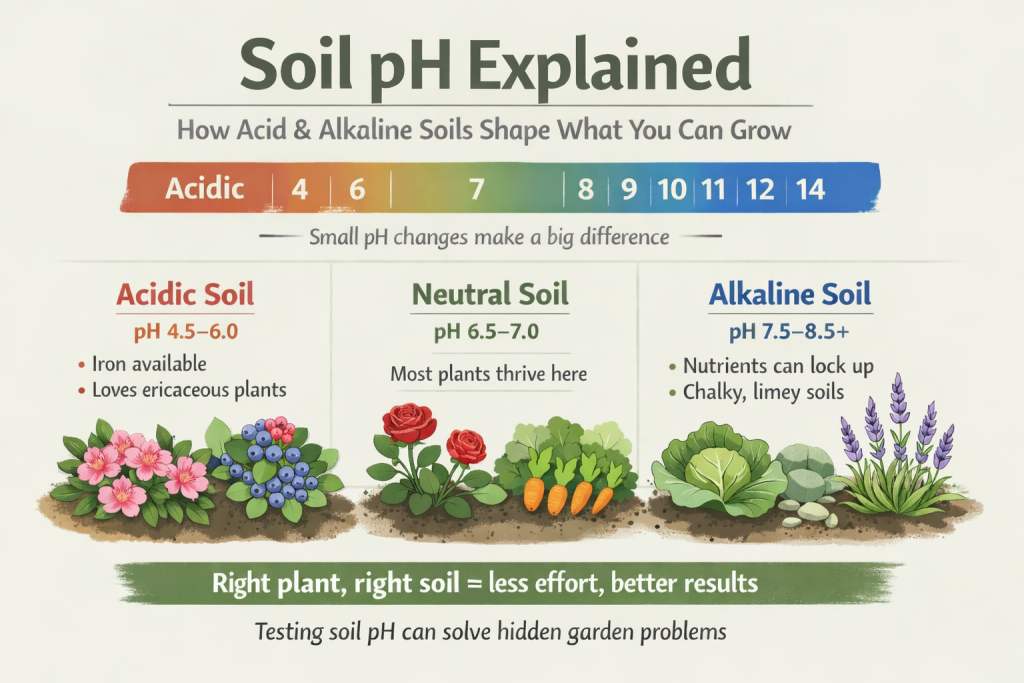
Acidic soils suit a specific group of plants often described as lime-hating or ericaceous. These plants have evolved to thrive in lower pH conditions where certain nutrients, particularly iron, are more readily available.
In UK gardens, some of the most common acid-loving plants include rhododendrons, azaleas, camellias, heathers, and blueberries. Many magnolias also prefer slightly acidic soil, particularly when young and establishing.
When these plants are grown in alkaline soil, they often show clear signs of stress. Leaves may turn pale or yellow, growth can be weak, and flowering is usually disappointing. In the case of blueberries, poor soil pH can result in very little fruit, even on healthy-looking plants.
Acid-loving plants typically have fine, shallow root systems that rely on nutrients being easily available in the soil solution. In alkaline conditions, key nutrients such as iron and manganese become unavailable, even if they are present in the soil. This leads to deficiency symptoms that feeding alone cannot correct.
In many parts of the UK, naturally acidic soils are found where rainfall is higher and organic matter builds up over time. However, even in alkaline regions, acid-loving plants can still be grown successfully in containers or raised beds filled with ericaceous compost.
Understanding which plants prefer acidic soil allows gardeners to avoid unnecessary struggle. Rather than constantly correcting symptoms, choosing plants that suit the natural soil conditions leads to stronger growth, better flowering, and far less maintenance.
Plants That Prefer Alkaline Soil
Alkaline soils are common in many parts of the UK, particularly in areas with chalk or limestone beneath the surface. These soils are often described as difficult, but for the right plants, they provide excellent growing conditions.
Many popular garden plants prefer neutral to alkaline soil. Lavender, clematis, lilac, thyme, and some roses all grow well in higher pH conditions. Vegetables such as cabbages, broccoli, and other brassicas also perform particularly well in alkaline soils, where clubroot disease is less likely to develop.
Plants adapted to alkaline soils tend to have deeper or more robust root systems and are better able to cope with freely draining, mineral-rich conditions. They often struggle in acidic soils where nutrient balance and soil structure differ from what they are adapted to.
In alkaline soil, problems usually arise when acid-loving plants are introduced. These plants may survive for a time but often show yellowing leaves, poor growth, and reduced flowering. Repeated feeding rarely solves the issue, as nutrients such as iron remain unavailable at higher pH levels.
Alkaline soils should not automatically be seen as something that needs fixing. They can support a wide range of ornamental plants, herbs, shrubs, and productive crops with minimal intervention. Choosing plants that suit these conditions often leads to healthier gardens and lower maintenance overall.
By understanding whether your soil is naturally acidic or alkaline, you can make better planting decisions and avoid fighting against conditions that are difficult to change long-term.
How to Test Soil pH in Your Garden
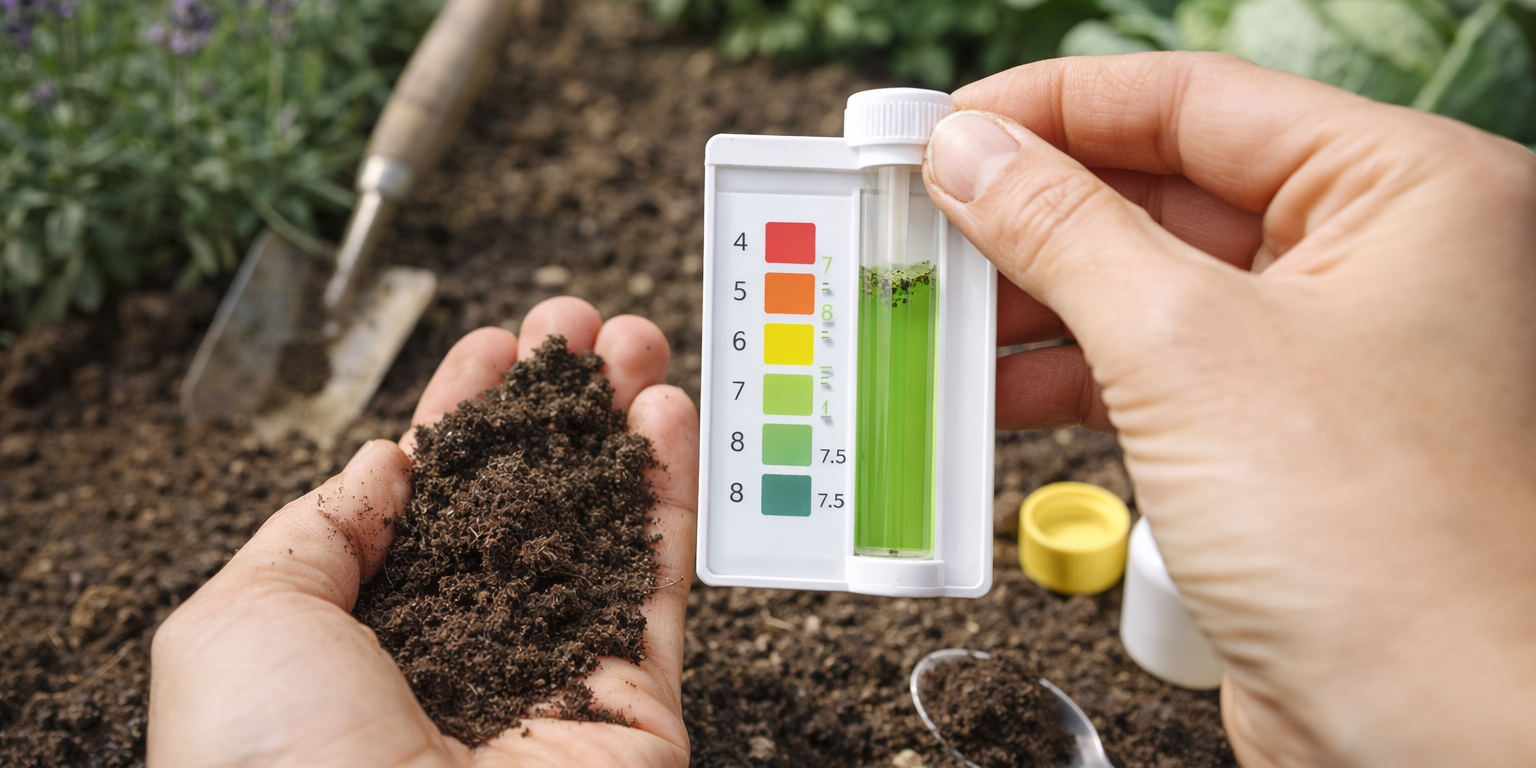
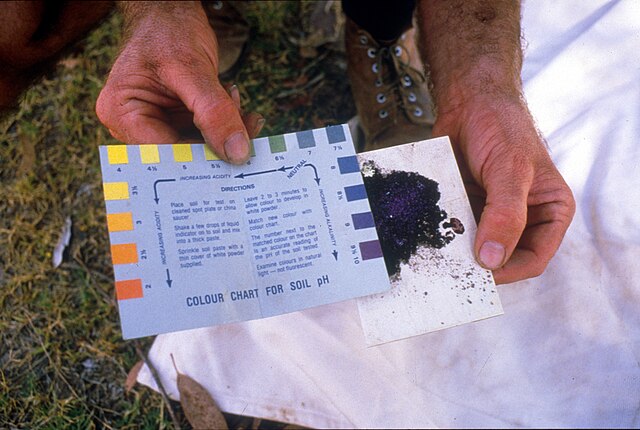
Testing soil pH is straightforward and does not require specialist equipment. A simple test can provide valuable information that explains plant performance across your garden.
The most common option is a DIY soil pH test kit. These are inexpensive and easy to use, usually involving mixing a small soil sample with water and a testing solution or strip. They give a good general indication of whether soil is acidic, neutral, or alkaline, which is often all most gardeners need.
Digital soil pH meters are also widely available. These can give quick readings, but results can vary depending on soil moisture, cleanliness of the probe, and soil contact. For best results, the soil should be slightly moist and the probe cleaned between tests. Digital meters are useful for comparison across different areas, but should not be relied on for exact figures.
For the most accurate results, laboratory soil testing is an option. This is more commonly used by professionals and can provide detailed information beyond pH, including nutrient levels. For most home gardens, this level of detail is rarely necessary unless ongoing problems persist.
When testing, it is important to take samples from multiple spots. Soil pH can vary significantly between beds, borders, lawns, and vegetable plots. Avoid testing immediately after adding fertiliser, compost, or lime, as this can affect readings.
Soil pH also changes slowly over time due to rainfall, plant growth, and soil management. Testing every few years, or when problems appear, is usually sufficient. Once you know your soil pH, you can make informed decisions about plant choice and soil treatment with much greater confidence.
Can You Change Soil pH?
Soil pH can be changed, but how easy and long-lasting that change is depends on the type of soil and the conditions in your garden. In many cases, altering pH is possible in the short term, but maintaining that change over time can be challenging.
Raising soil pH, making it more alkaline, is usually done by adding lime. This is commonly used on lawns and vegetable beds, particularly where acidic soil limits growth. Lime works gradually and should be applied carefully, as adding too much can cause its own problems. Clay soils tend to hold the effects of lime longer than sandy soils.
Lowering soil pH and making the ground more acidic is generally harder. Sulphur-based products can reduce pH, but the change is gradual and requires careful management. Adding compost or leafmould is valuable for improving soil structure and supporting soil life, but organic matter rarely produces a substantial or permanent change in pH, particularly on naturally alkaline ground.
If you have a supply of fallen leaves, our guide to making and using leafmould explains how to turn them into a useful soil conditioner. Its main benefit is improving the physical condition and moisture retention of the soil rather than dramatically changing its acidity.
Soil type plays a major role. Sandy soils change pH more easily but also revert more quickly. Clay soils resist change and tend to return to their natural pH over time. Rainfall, fertiliser use, and irrigation water can all gradually push soil pH back towards its original state.
Because of this, permanent pH alteration across an entire garden is often unrealistic. Targeted adjustments in specific beds, containers, or raised areas are usually more successful and easier to manage.
Understanding the limits of pH adjustment helps avoid repeated treatments that deliver little long-term benefit. In many situations, choosing plants that suit the existing soil conditions leads to better results with less effort.
Should You Adapt the Soil or the Plants?
When gardeners discover their soil pH, the instinct is often to try to change it. While this can work in certain situations, it is not always the most practical or sustainable approach.
In most gardens, especially established ones, working with the natural soil conditions leads to better long-term results. Soil pH is strongly influenced by local geology and climate, and these forces are difficult to override permanently. Continually adjusting pH across large areas can become time-consuming and costly, with limited lasting effect.
Adapting plant choice to suit your soil pH is often the simplest and most reliable option. Plants that are naturally suited to the soil will establish more easily, grow more strongly, and require less ongoing intervention. This approach reduces the need for repeated feeding, soil treatments, and corrective measures.
There are times when adjusting soil pH makes sense. Vegetable beds, lawns, and containers are good examples, as they are smaller, more controlled environments. Raised beds filled with imported compost also allow greater flexibility, making them ideal for growing plants with specific pH requirements.
A balanced approach is often the most effective. Use containers or raised beds for plants with special soil needs, and allow the rest of the garden to reflect the natural soil conditions. This creates a healthier garden that is easier to manage and more resilient over time.
If you are creating a new raised bed, our garden materials calculator can estimate the topsoil and compost quantities from its internal dimensions and fill depth. Remember that the calculator works out quantities, not which growing medium is suitable for particular plants or soil pH requirements.
Understanding when to adapt the soil and when to adapt plant choice is a key step towards gardening with confidence rather than frustration.
Final Thoughts
Soil pH plays a far greater role in garden success than many people realise. It influences how plants access nutrients, how roots function, and which plants will ever truly thrive in a particular space.
Once soil pH is understood, many long-standing garden problems become easier to explain. Repeated plant failures, poor growth, and disappointing flowering are often not caused by lack of effort, but by plants being asked to grow in conditions that do not suit them.
Testing soil pH is a simple step that can save time, money, and frustration. It allows gardeners to make informed decisions, whether that means choosing more suitable plants, adjusting soil conditions in specific areas, or using containers and raised beds where needed.
Gardening becomes far more rewarding when it works with the soil rather than against it. By understanding and respecting soil pH, you create the foundation for healthier plants, stronger growth, and a garden that is easier to manage year after year.
GHUK content is written for UK growing conditions and informed by hands-on professional gardening experience. It is designed to be practical, clear and useful in real gardens.