
Tagged for March
What to Cut Back in Autumn and What to Leave Until Spring
Published
Tidy autumn borders with confidence. Learn which plants to clear, which stems and seedheads to keep, and which pruning jobs can wait until spring.
Read guide →March marks the start of more obvious spring growth in UK gardens. Days are longer, buds are swelling and soil gradually begins to warm, but frost, heavy rain and cold winds can still interrupt progress. Conditions may be several weeks ahead in sheltered southern gardens compared with northern, upland and exposed sites.
The focus shifts towards preparing beds, controlling young weeds and starting the main sowing season. Many hardy crops can be sown outdoors once soil is workable, while tender vegetables are better started indoors. It is also an important month for dividing perennials, planting potatoes and finishing winter pruning before new growth becomes too advanced.
UK conditions vary. Adjust timings for your local weather, soil and exposure.
Month tags describe the topic, not the publication date. Wider seasonal and recent articles have their own labels when more guides are needed.
Tagged for March
Published
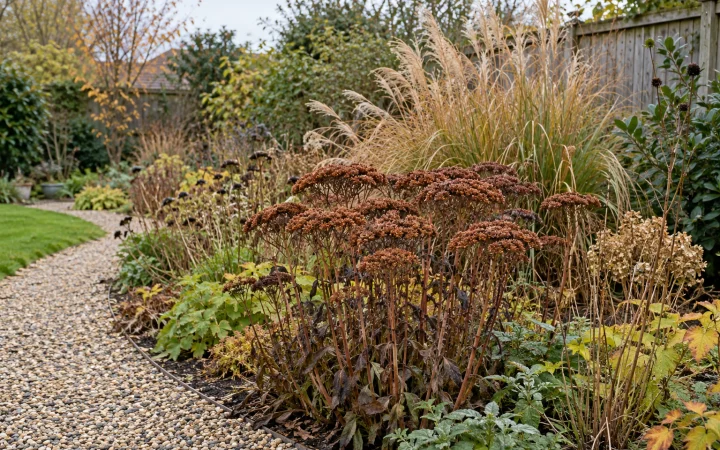
Tidy autumn borders with confidence. Learn which plants to clear, which stems and seedheads to keep, and which pruning jobs can wait until spring.
Read guide →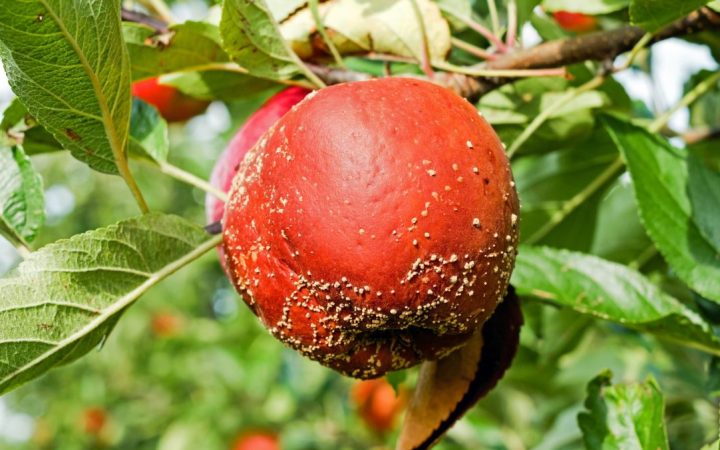
Tagged for March
Published
Not sure what is wrong with your apple tree? Use this practical UK guide to identify common apple tree pests, diseases and disorders from the symptoms on the leaves, fruit, branches and blossom.
Read guide →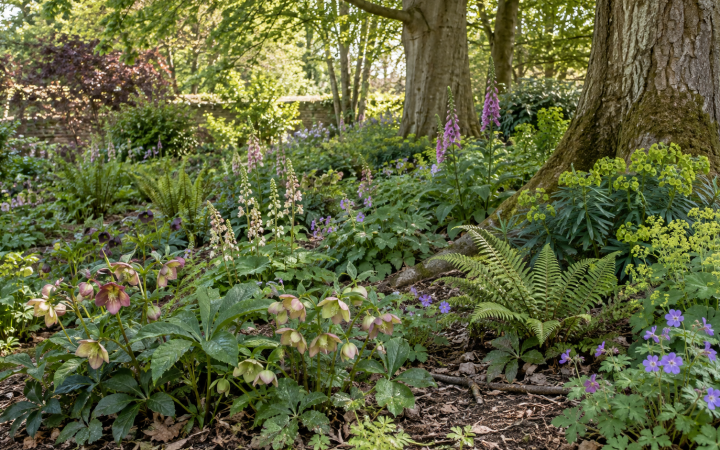
Tagged for March
Published
Dry shade is one of the hardest conditions in a garden, especially beneath mature trees and beside walls. These eight plants can cope once established, provided they receive the right start.
Read guide →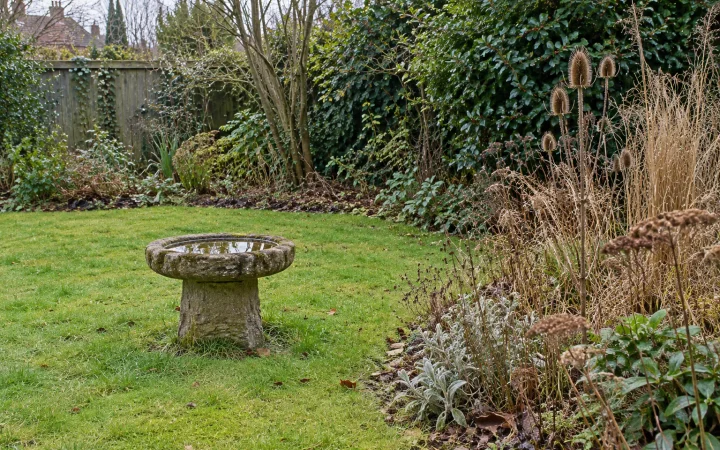
More seasonal gardening guides
Published
Make your garden useful to wildlife this winter with clean water, natural food, shelter and safe access, plus the latest RSPB bird feeding guidance.
Read guide →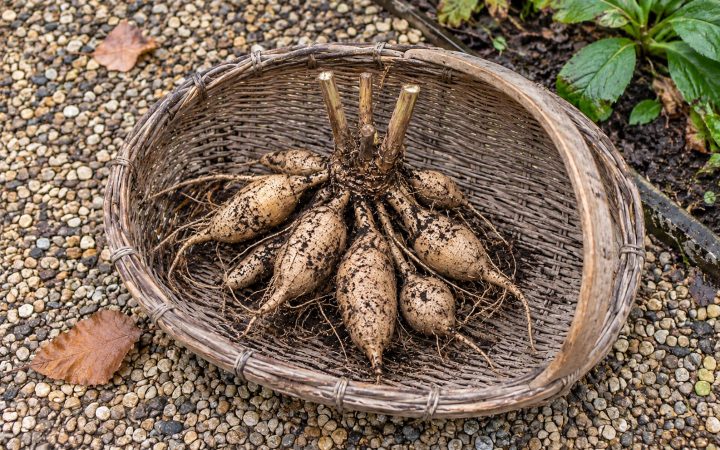
More seasonal gardening guides
Published
Should you lift your dahlias or leave them in the ground? Choose the right winter method for your garden, then follow our guide to lifting, storing and protecting tubers.
Read guide →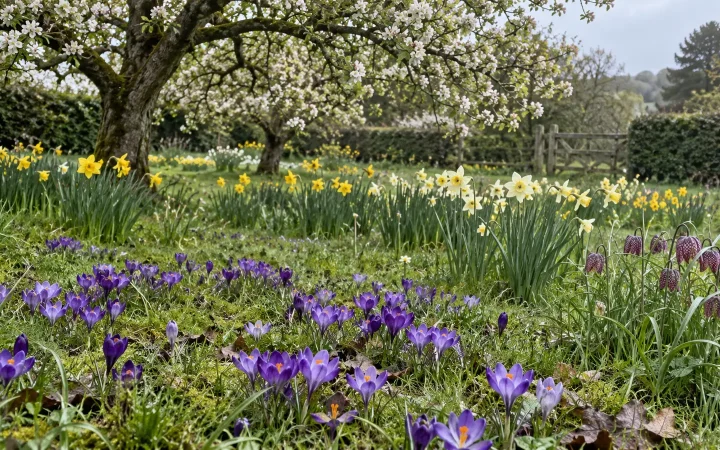
More seasonal gardening guides
Published
Naturalising spring bulbs can turn lawns, borders and areas beneath trees into displays that improve each year. Discover seven reliable choices and how to plant them successfully.
Read guide →