
Tagged for February
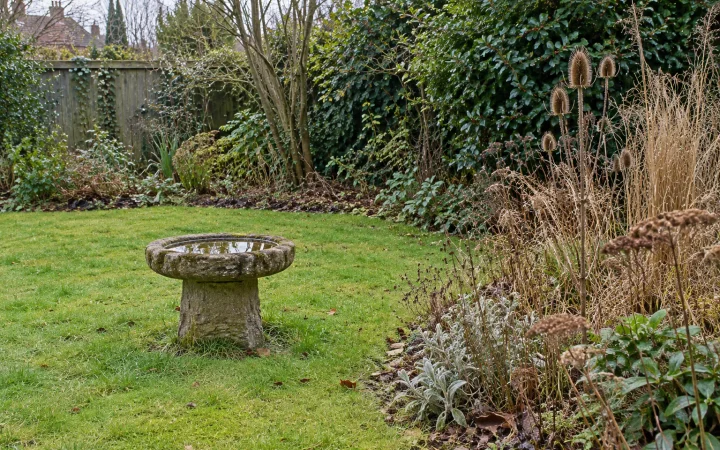
How to Help Garden Wildlife Through Winter
Published
Make your garden useful to wildlife this winter with clean water, natural food, shelter and safe access, plus the latest RSPB bird feeding guidance.
Read guide →February often brings the first noticeable signs of the gardening year beginning again. Days are getting longer and bulbs are emerging, but frost, cold soil, heavy rain and even snow can still occur across much of the UK. Southern and sheltered gardens may begin moving noticeably earlier than northern, upland or exposed sites.
Preparation is more important than rushing into spring. Vegetable beds can be readied when soil is workable, potatoes can be prepared for planting, and several crops can be started indoors or under cover. Winter pruning should be completed before growth gathers pace, while early flowers and fruit blossom may need protection when cold nights follow mild days.
UK conditions vary. Adjust timings for your local weather, soil and exposure.
Month tags describe the topic, not the publication date. Wider seasonal and recent articles have their own labels when more guides are needed.
Tagged for February
Published
Make your garden useful to wildlife this winter with clean water, natural food, shelter and safe access, plus the latest RSPB bird feeding guidance.
Read guide →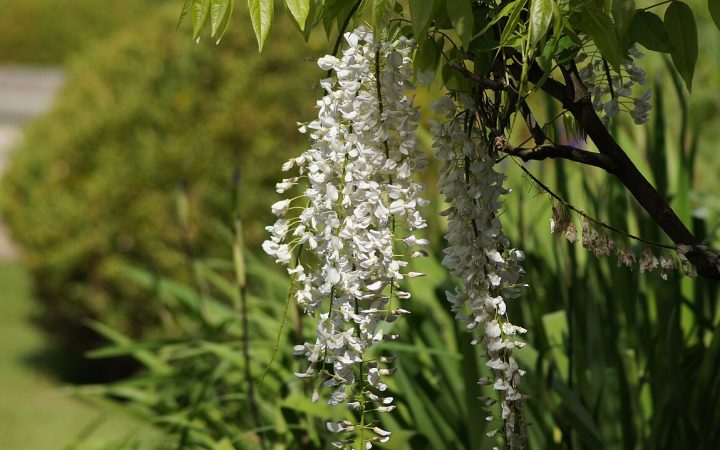
Tagged for February
Published
Choose the right wisteria, build a strong framework and follow a clear summer and winter pruning routine, with practical help for plants that will not flower.
Read guide →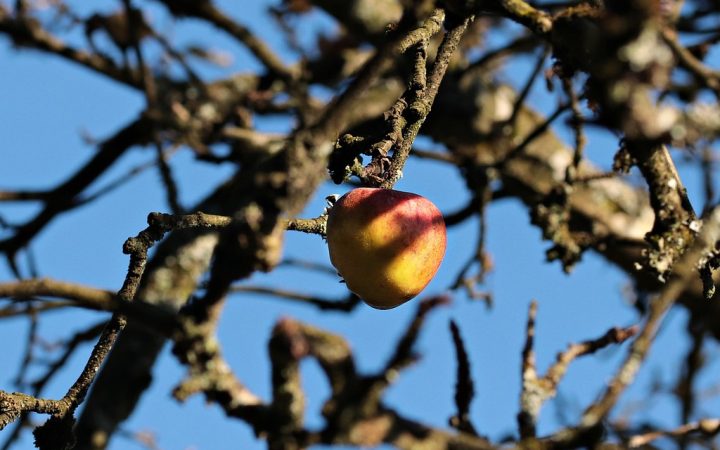
Tagged for February
Published
When, Why and How to Prune Apple Trees in UK Gardens Apple tree pruning is one of the most misunderstood jobs in the garden. Many gardeners know it…
Read guide →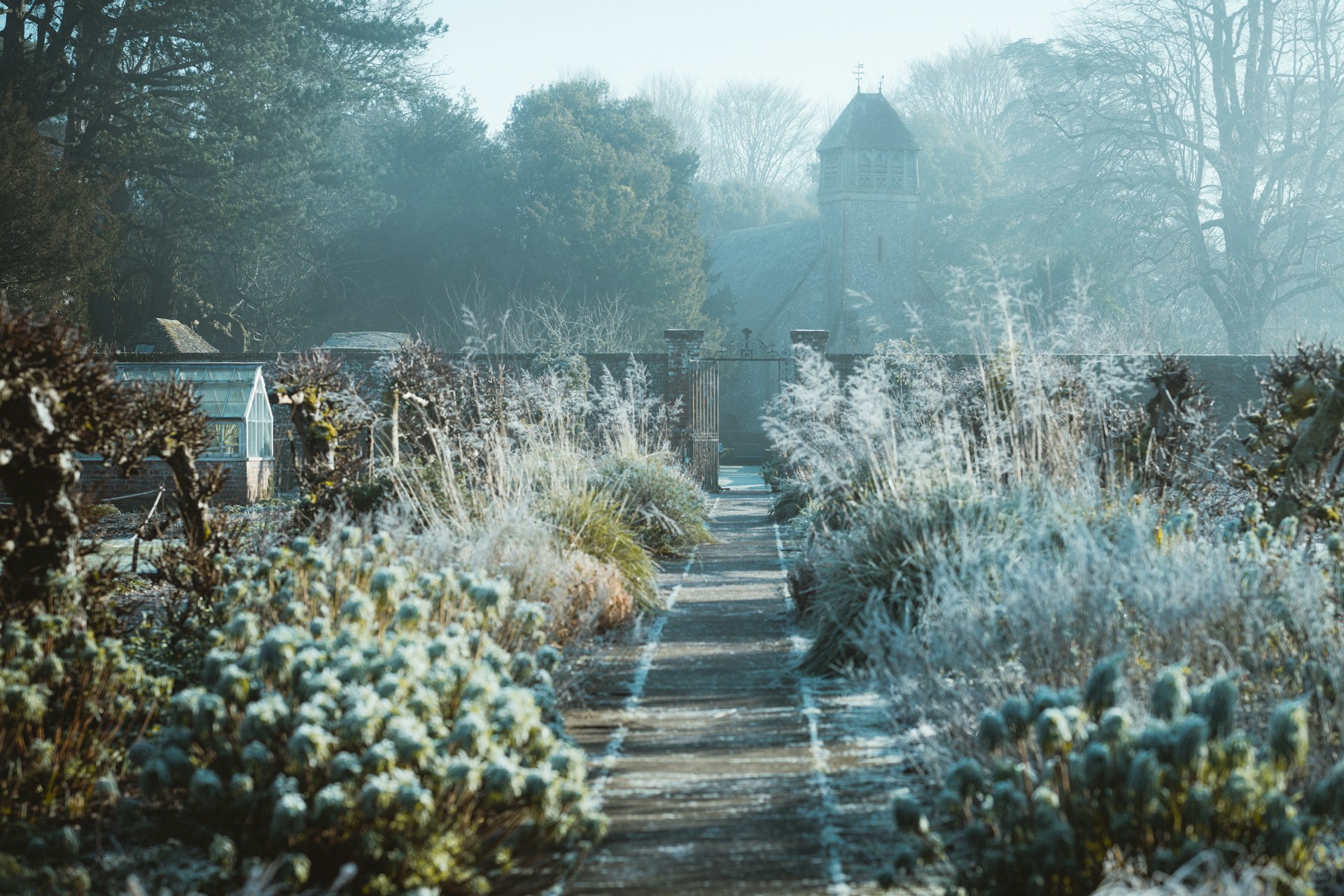
Tagged for February
Published
What UK Gardeners Need to Know Cold weather and snow often trigger concern for UK gardeners, especially when temperatures drop suddenly. Plants that looked fine only days earlier…
Read guide →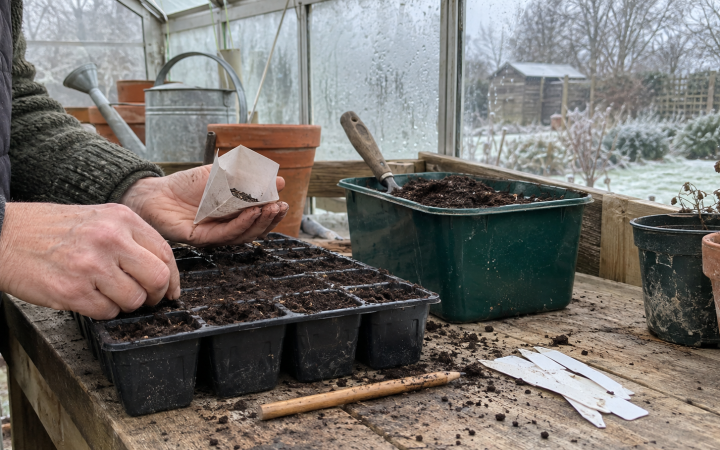
Tagged for February
Published
Get ahead of the season with this simple winter gardening trick… Winter might feel like the quietest time in the garden, but it’s actually one of the best…
Read guide →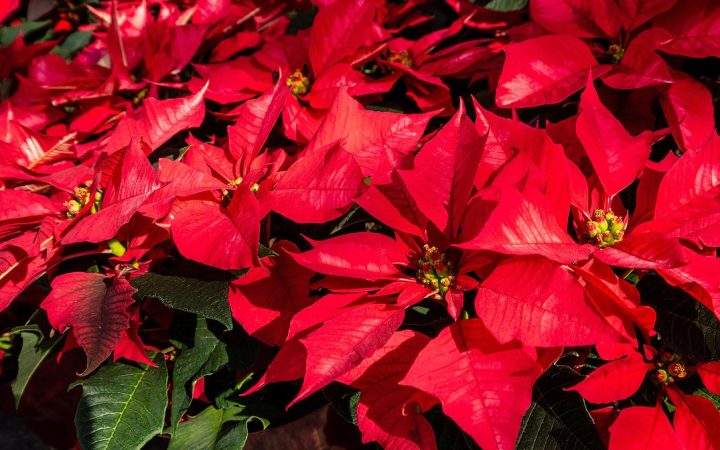
Winter gardening guides
Published
Reblooming a poinsettia is possible, but it does take commitment. These plants do not naturally turn red again indoors without help. The colour change is triggered by day…
Read guide →