Get ahead of the season with this simple winter gardening trick...
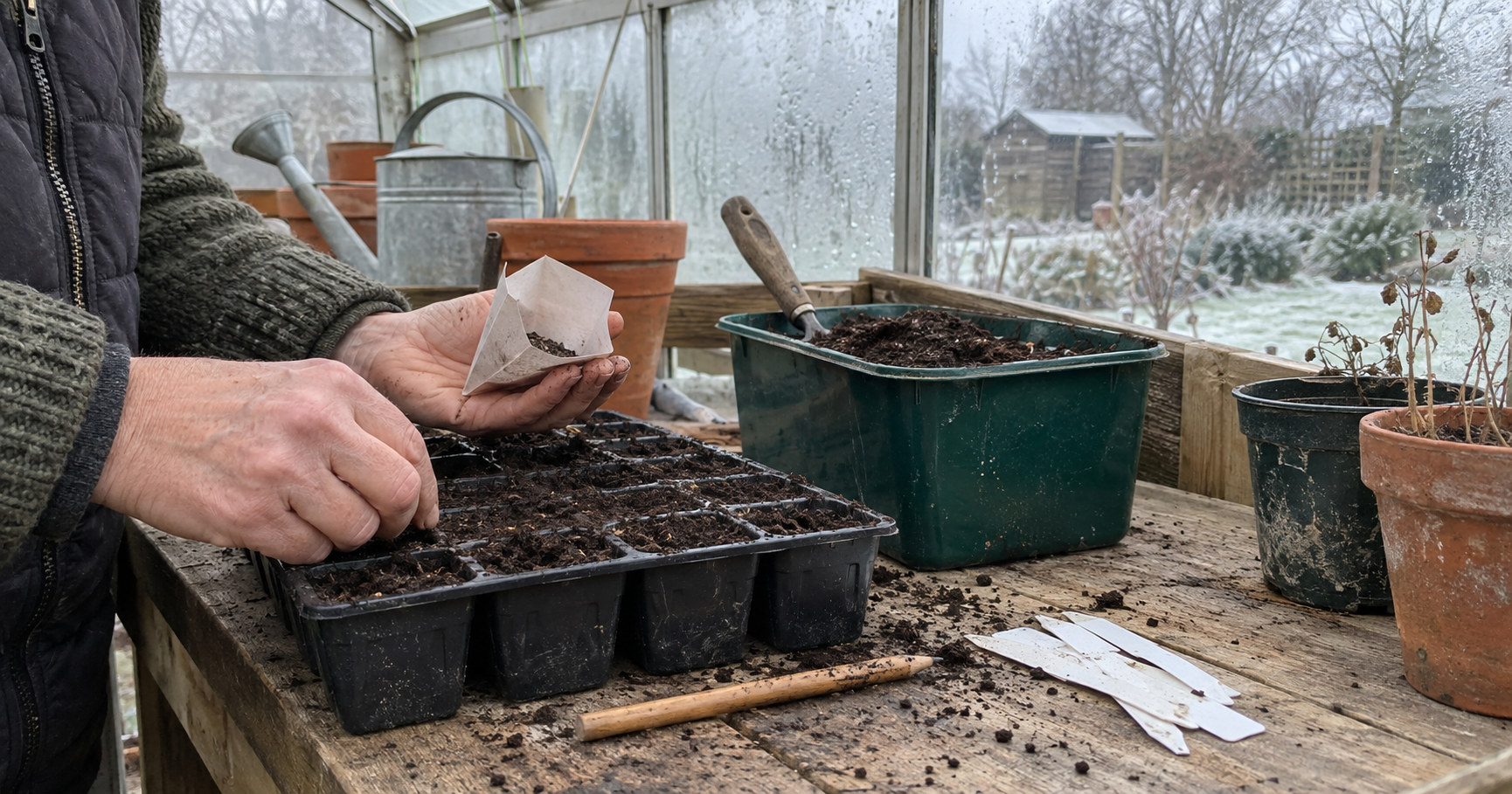
Winter might feel like the quietest time in the garden, but it’s actually one of the best moments to get a head start on sowing. Many seeds prefer cool conditions, and starting them now under cover gives you stronger plants and earlier colour when spring arrives.
Below, we’ll look at the best seeds to sow, how to do it successfully and why winter sowing gives you such a big advantage.
Why Sow Seeds in Winter?
While most gardeners wait until spring, several hardy seeds germinate beautifully in the cooler, slower conditions of winter.
Sowing now helps your plants develop:
Stronger root systems before daylight increases
Better resilience to early spring temperature shifts
Earlier flowers and crops once growth speeds up
It’s a simple way to get ahead without needing heating or fancy equipment.
Best Seeds to Sow in Winter (Under Cover)
1. Sweet Peas
A winter favourite. They love cool weather, grow sturdy when started early and reward you with stronger stems and earlier blooms.
2. Hardy Annuals
These can handle low temperatures and often germinate better in cooler compost. Try: Calendula, Larkspur, Cornflowers, Nigella
3. Winter Veg
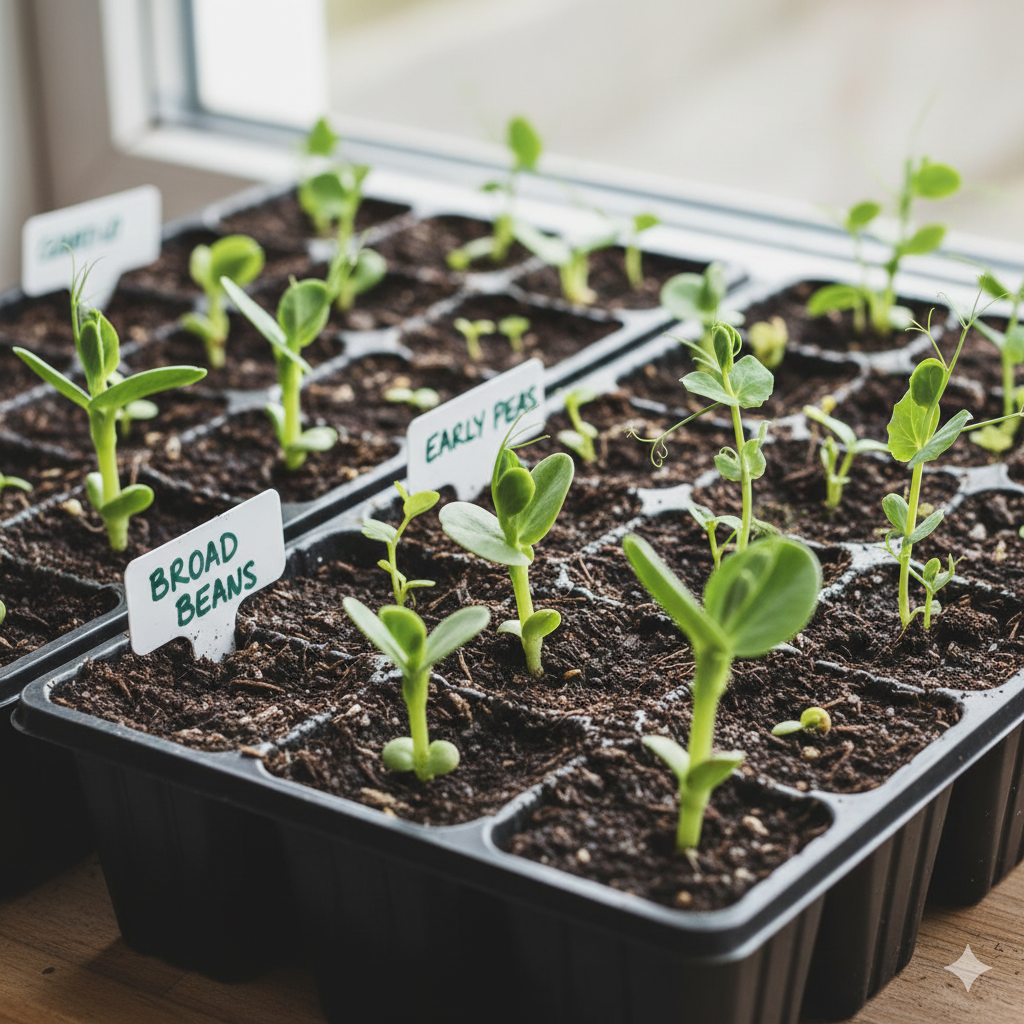
Starting veg now means earlier harvests and healthier plants in spring. Best choices: Broad beans, Early peas
4. Chill-Tolerant Perennials
Some hardy perennials benefit from exposure to cool conditions, although germination requirements vary between species. Try: aquilegia, primula and certain hardy geraniums.
Where to Sow Your Winter Seeds
Where to Sow Your Winter Seeds
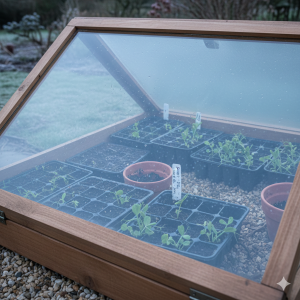
The aim is not necessarily to keep every seed tray warm. Most suitable winter-sown seeds need shelter from heavy rain, waterlogging and damaging wind while still experiencing naturally cool conditions.
Useful locations include:
A cold frame
An unheated greenhouse
A sheltered polytunnel
A covered propagation area beside a protected wall
A bright indoor windowsill can work for seeds that require warmer germination, but low winter light may produce weak, leggy seedlings. Check the requirements of the particular species before deciding where to place the tray.
Cold-tolerant seeds can cope with low temperatures, but newly germinated seedlings may still need protection during severe conditions. Our guide to how frost, snow and freezing temperatures affect garden plants will help you decide when extra protection is genuinely necessary.
Tips for Winter Sowing Success
A few small tweaks make a big difference:
Keep compost lightly moist rather than wet
Rotate seed trays every few days for even growth
Protect seedlings from slugs (they stay active in mild spells)
Keep horticultural fleece available for severe cold, but only use it when the seedlings require additional protection
Label everything — winter trays all look the same after a week or two
The Payoff: Stronger Plants and Early Colour
Winter-sown seedlings grow slowly and steadily, putting energy into roots instead of leggy top growth. By the time spring arrives, they’re ready to burst into life — giving you earlier flowers, earlier harvests and healthier plants overall.
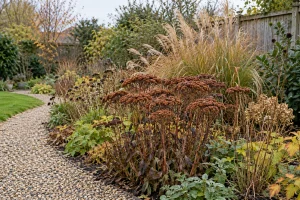
A quiet winter afternoon spent sowing seeds now leads to brighter borders, fuller beds and earlier colour when spring returns.
GHUK content is written for UK growing conditions and informed by hands-on professional gardening experience. It is designed to be practical, clear and useful in real gardens.
What UK Gardeners Need to Know Cold weather and snow often trigger concern for UK gardeners, especially when temperatures drop suddenly. Plants that looked fine only days earlier…