Practical gardening advice for UK gardens
What to do this month

May gardening jobs

May is one of the busiest months in UK gardens as warmer soil, longer days and increasing light drive rapid growth. Frost is still possible, particularly in northern, inland and exposed areas, so tender plants should not be rushed outdoors simply because daytime temperatures feel warm.

The main priorities are keeping ahead of weeds, supporting fast growing plants and gradually moving tender crops outdoors once local frost risk has passed. Lawns and borders grow quickly, containers need closer attention to watering, and many vegetables can now be sown directly outside. Regular checking becomes important too, as aphids, slugs, beetles and other pests can multiply quickly as conditions become warmer.

UK conditions vary. Adjust timings for your local weather, soil and exposure.

Key gardening jobs

  • Harden off plants raised indoors or under cover gradually before planting them permanently outside.
  • Earth up potato shoots as they grow to protect developing tubers from light and reduce the risk of greening.
  • Hoe annual weeds regularly while they are small and the soil surface is dry enough for them to wither.
  • Put supports around peonies and other tall perennials before stems become heavy and begin to collapse.
  • Ventilate greenhouses generously on warm days and add shading if temperatures are becoming excessive.
  • Mow actively growing lawns regularly, while leaving some areas longer where practical for flowers and wildlife.
  • Water containers thoroughly when needed, checking the compost below the surface rather than watering automatically.
  • Check carefully for active bird nests before carrying out any hedge trimming or work in dense shrubs.

What to sow and plant

  • Sow runner beans and French beans outdoors once the soil has warmed and frost risk is low.
  • Sow courgettes, pumpkins and squash outdoors in warmer areas, or continue sowing them under cover where conditions remain cool.
  • Sow sweetcorn outdoors in blocks in suitable warm gardens, or plant out hardened plants raised earlier under cover.
  • Sow carrots, beetroot, lettuce and other quick growing salad crops outdoors for succession harvests.
  • Sow cauliflower and purple sprouting broccoli outdoors or in a seedbed for crops later in the year.
  • Plant out tomatoes, courgettes and pumpkins after hardening them off and once the local risk of frost has passed.
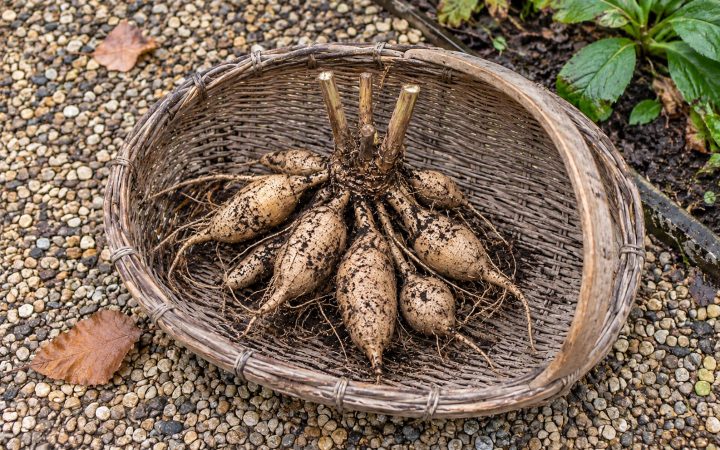
  • Plant dahlias and cannas outdoors once frost risk has passed, delaying in colder and more exposed gardens.
  • Sow wallflowers, pansies and other biennials for flowering the following spring.

What to prune and harvest

  • Prune spring flowering shrubs such as flowering currant and Japanese quince once their flowers have faded.
  • Cut back tender shrubs such as fuchsias and penstemons once the danger of damaging frost has passed.
  • Remove unwanted suckers growing from the base or roots of established fruit trees.
  • Thin overcrowded raspberry shoots so the strongest canes have enough light and air around them.
  • Harvest asparagus regularly from established beds while allowing young plants to continue building strength.
  • Pull rhubarb stems from established crowns as required, taking care not to remove too many at once.
  • Harvest radishes and young salad leaves while they are tender and before they become coarse or run to flower.
  • Harvest spring cabbages as the heads mature, removing spent plants to free space for later crops.

Problems to watch

  • Protect tender plants and fruit blossom when late frost is forecast, particularly in colder and exposed gardens.
  • Watch young plants and seedlings for slug and snail damage during mild, damp weather.
  • Check roses, fruit bushes and fresh shoots regularly for aphids and remove small colonies before they increase.
  • Inspect lilies and fritillaries for scarlet lily beetles, larvae and eggs and remove them by hand when found.
  • Watch viburnums for viburnum beetle larvae feeding on young foliage.
  • Check gooseberries and currants for gooseberry sawfly larvae, which can strip leaves very quickly.
  • Protect carrot sowings from carrot fly using a suitable fine mesh barrier where the pest is a recurring problem.
  • Watch greenhouse plants for red spider mite as temperatures rise and maintain good ventilation and appropriate humidity.
Keep exploring

Guides for your garden

Month tags describe the topic, not the publication date. Wider seasonal and recent articles have their own labels when more guides are needed.