
Tagged for October
What to Cut Back in Autumn and What to Leave Until Spring
Published
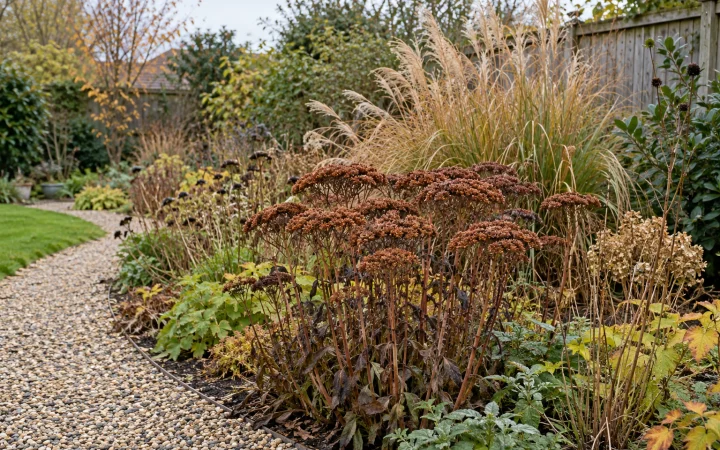
Tidy autumn borders with confidence. Learn which plants to clear, which stems and seedheads to keep, and which pruning jobs can wait until spring.
Read guide →October is a valuable month for planting, soil improvement and preparing the garden for colder, wetter weather. The soil often remains warm enough for roots to establish even as top growth slows down.
Gather useful autumn material for compost and leaf mould, protect tender plants before the first frost, and leave healthy seedheads and stems where they can support wildlife through winter.
UK conditions vary. Adjust timings for your local weather, soil and exposure.
Month tags describe the topic, not the publication date. Wider seasonal and recent articles have their own labels when more guides are needed.
Tagged for October
Published
Tidy autumn borders with confidence. Learn which plants to clear, which stems and seedheads to keep, and which pruning jobs can wait until spring.
Read guide →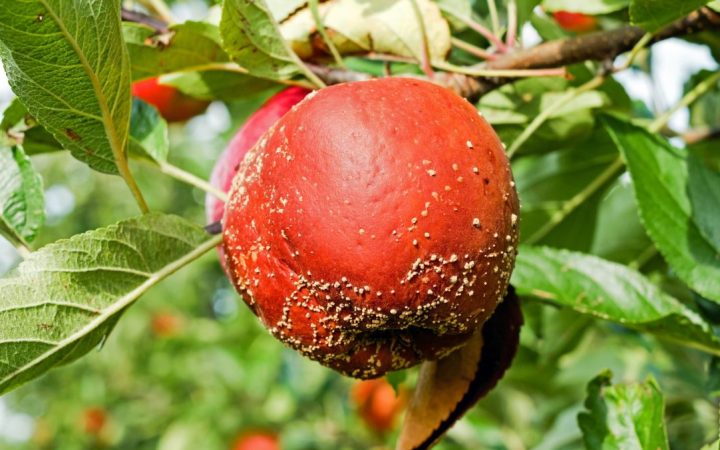
Tagged for October
Published
Not sure what is wrong with your apple tree? Use this practical UK guide to identify common apple tree pests, diseases and disorders from the symptoms on the leaves, fruit, branches and blossom.
Read guide →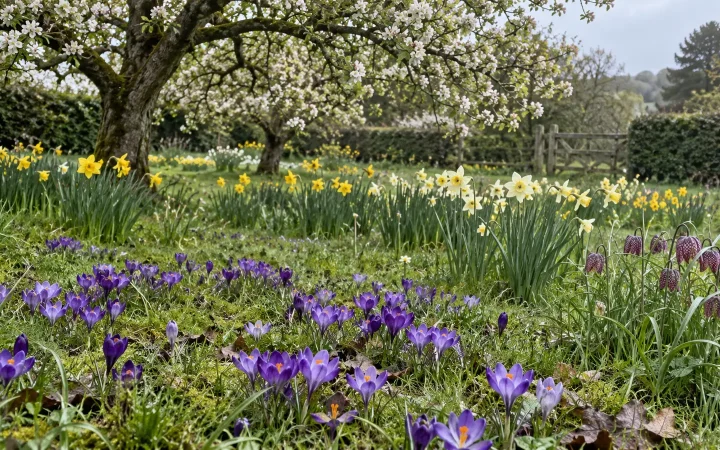
Tagged for October
Published
Naturalising spring bulbs can turn lawns, borders and areas beneath trees into displays that improve each year. Discover seven reliable choices and how to plant them successfully.
Read guide →
Tagged for October
Published
Leafmould is one of the simplest and most valuable soil improvers you can make at home. Often referred to as gardeners’ gold, it is completely free, easy to…
Read guide →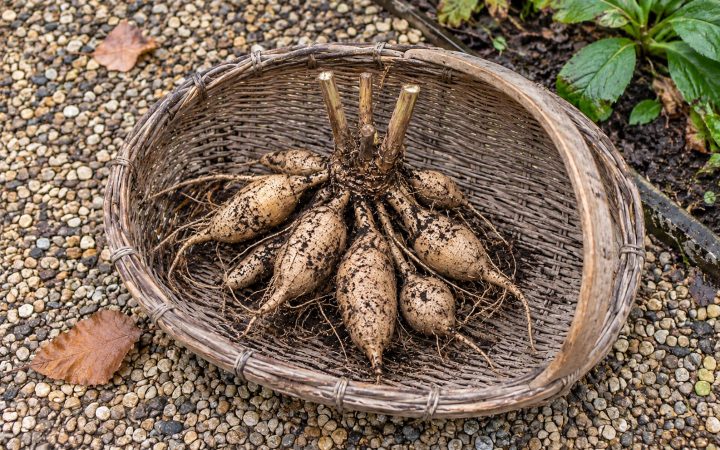
Autumn gardening guides
Published
Should you lift your dahlias or leave them in the ground? Choose the right winter method for your garden, then follow our guide to lifting, storing and protecting tubers.
Read guide →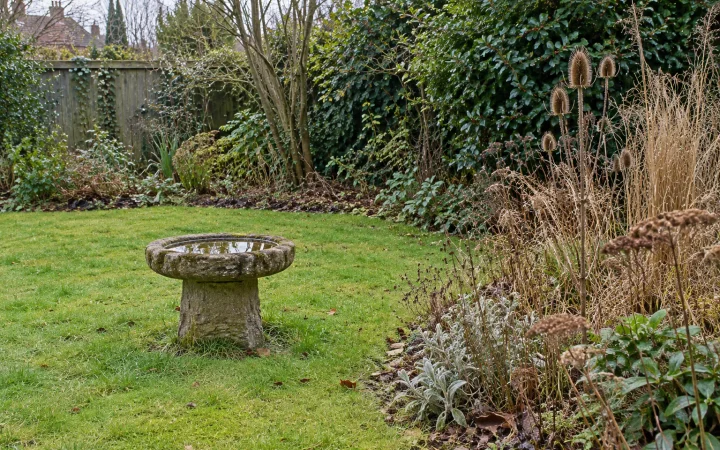
More seasonal gardening guides
Published
Make your garden useful to wildlife this winter with clean water, natural food, shelter and safe access, plus the latest RSPB bird feeding guidance.
Read guide →