What UK Gardeners Need to Know
Cold weather and snow often trigger concern for UK gardeners, especially when temperatures drop suddenly. Plants that looked fine only days earlier can appear stressed, and it is easy to assume damage is already being done.
In reality, winter conditions affect gardens in complex ways. Frost, snow and freezing temperatures do not all behave the same, and not all cold weather is harmful. Some winter conditions can even benefit soil and long-term plant health when understood properly.
This guide explains how cold weather and snow affect plants, soil, lawns and wildlife, and what gardeners should and should not do during a cold spell.
Why Cold Spells Matter in UK Gardens
One of the main challenges with winter gardening in the UK is how changeable conditions can be. Mild, wet weather is often followed by sharp frosts or snowfall, sometimes within days. These rapid shifts can be more stressful for gardens than long periods of steady cold.
Cold damage is also often delayed. Plants may look unaffected during freezing weather, only to show symptoms weeks or even months later when growth fails to recover. This delay can make it difficult to judge whether action is needed at the time.
Understanding what is happening during a cold spell helps remove uncertainty. When gardeners know how plants and soil respond to winter conditions, they are far less likely to cause damage through unnecessary intervention.
How Cold Weather Works in the UK
UK winter weather behaves differently from colder continental climates. Temperature fluctuations, moisture levels, wind and cloud cover all influence how gardens respond.
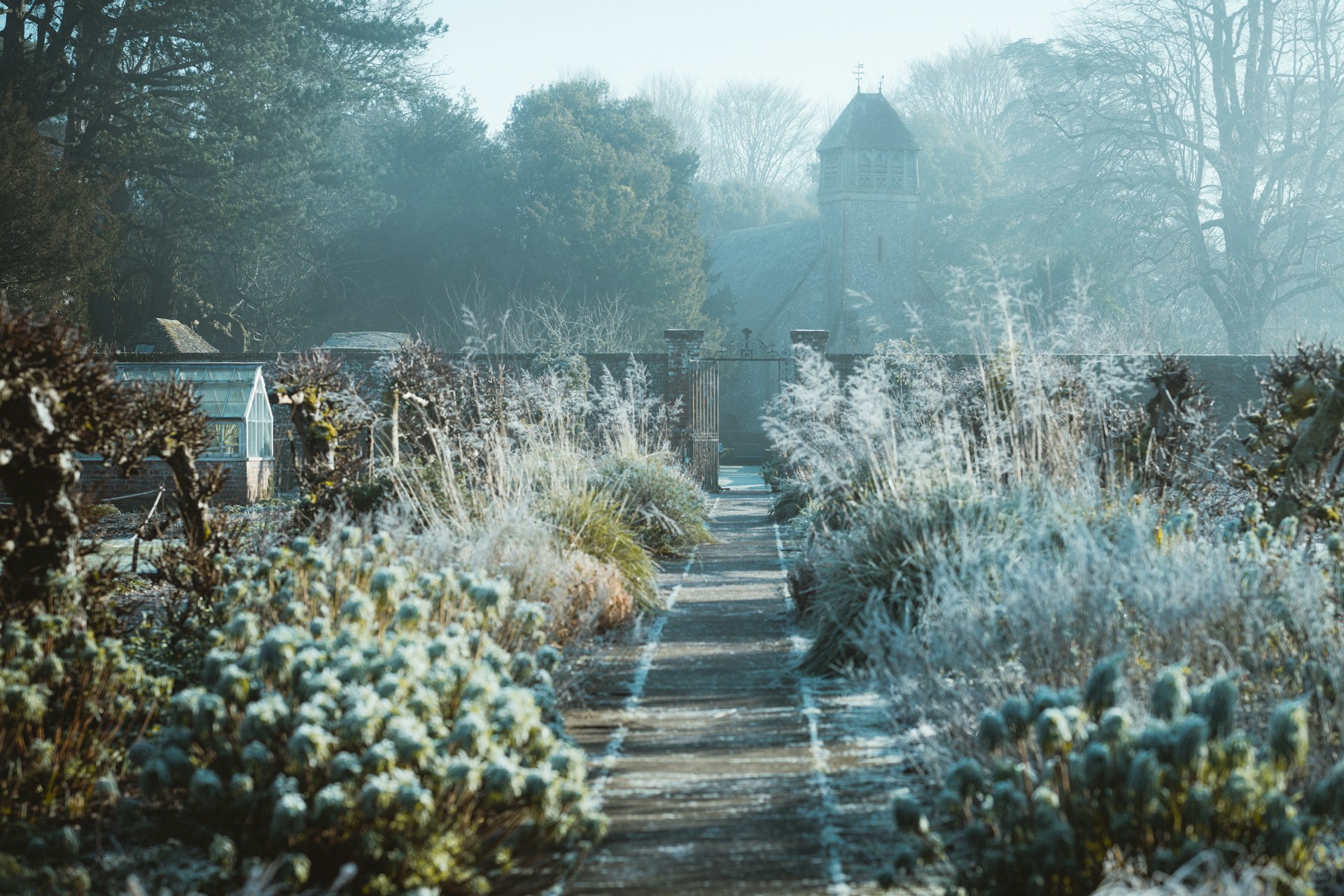
Frost forms when moisture freezes on surfaces. This can happen even when air temperatures are slightly above freezing if heat is lost quickly from the soil. Clear, still nights are often the most damaging, as heat escapes rapidly without cloud cover to trap it near the ground.
Snow forms when moisture freezes before reaching the ground. Although snow is often associated with severe cold, it can occur when temperatures are close to zero. Once settled, snow behaves very differently from frost and often protects what lies beneath it.
The length of a cold spell matters just as much as how cold it gets. A brief overnight frost may cause little harm, while several consecutive freezing days can stress plants, particularly those in containers or exposed positions.
When Snow Helps and When It Causes Problems
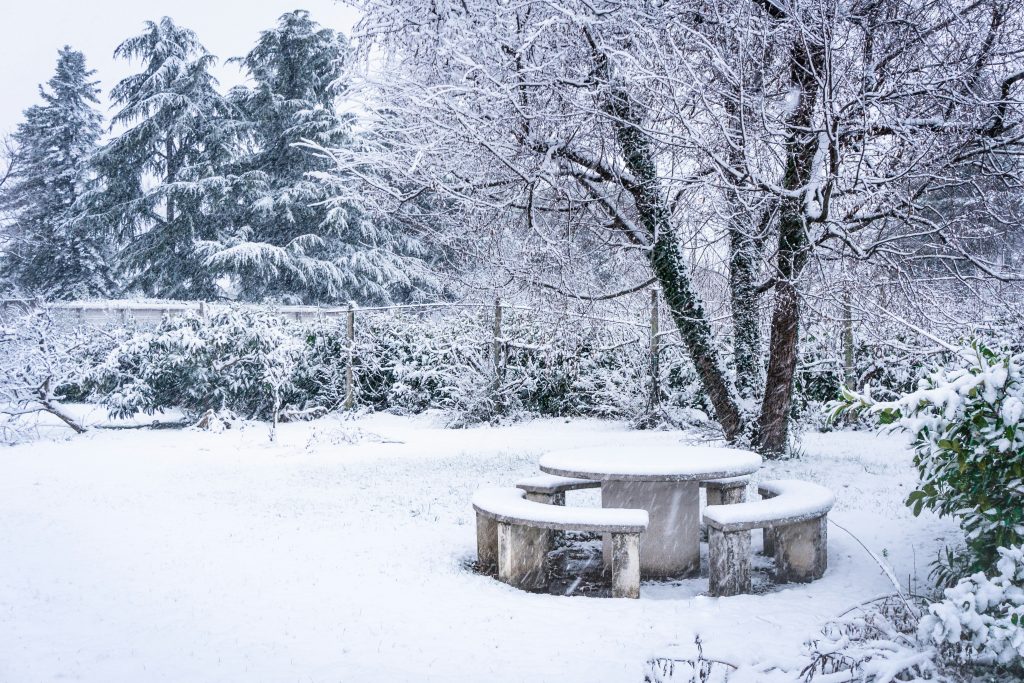
Snow is often viewed as a threat, but it can be surprisingly beneficial in the garden.
A layer of snow traps air and slows heat loss from the soil. This insulation helps protect roots, plant crowns and soil life from extreme temperature drops. Under snow cover, soil temperatures tend to remain more stable than in exposed ground.
Snow also melts gradually, releasing moisture slowly and reducing rapid freeze-thaw cycles that can stress plants.
Problems arise when the snow is heavy or wet. Accumulated snow can weigh down branches, particularly on evergreen shrubs and conifers, increasing the risk of breakage. In these cases, gentle intervention may be necessary if branches are bending under excessive weight.
In most situations, snow on borders and beds is best left undisturbed.
What Frost Does to Plants
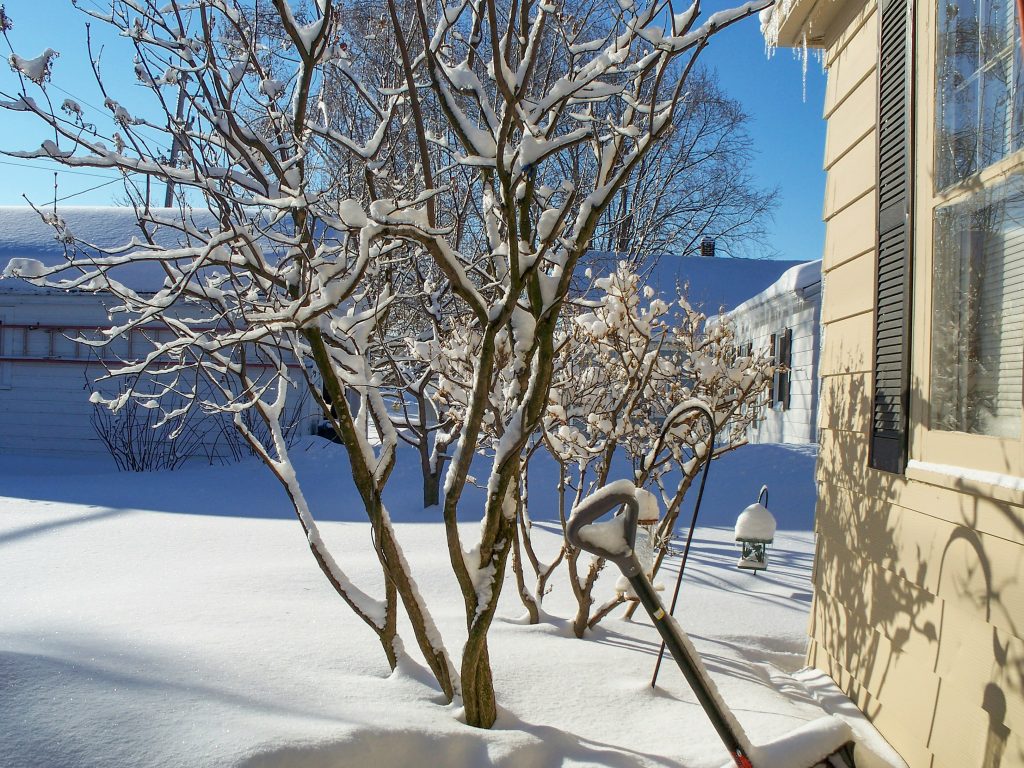
Frost affects plants at a cellular level. When temperatures drop low enough, water inside plant cells freezes and expands. This can damage cell walls and disrupt normal plant function.
Tender growth is the most vulnerable, especially young shoots and leaves that have not hardened off. Evergreen plants can suffer from winter scorch, which is often caused by moisture loss rather than freezing itself. When the ground is frozen, roots cannot replace water lost through leaves, leading to browning and damage.
Wind plays a major role. Cold, dry winds increase dehydration and often cause more damage than low temperatures alone.
Frost damage is not always immediately visible. Symptoms may only appear later when damaged tissue fails to recover during spring growth.
How Different Plants Respond to Cold Weather
Not all plants react to winter conditions in the same way.
Evergreen plants continue to lose moisture throughout winter and are most affected by wind exposure. Sheltered positions reduce the risk of leaf scorch.
Herbaceous perennials die back naturally and survive winter through protected crowns and roots. Problems occur when crowns are lifted by frost or sit in waterlogged soil.
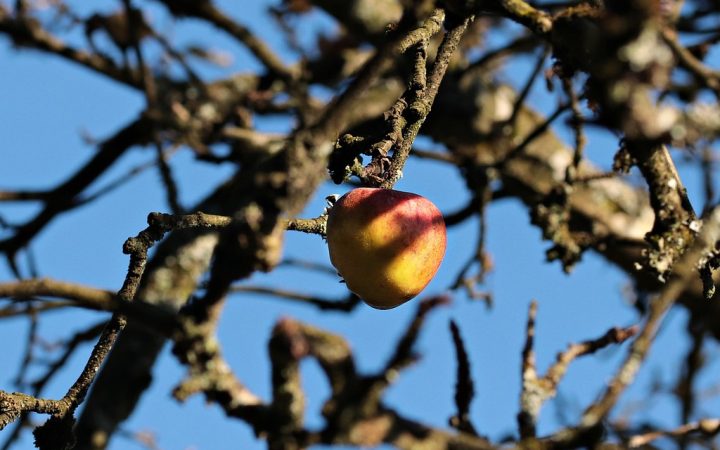
Established shrubs and trees are generally resilient, although young and recently planted specimens are more vulnerable. Damage to shoots or buds may not become apparent until growth begins in spring. Apples can be pruned while dormant, but avoid cutting frozen wood or pruning during exceptionally severe weather. Our guide to pruning apple trees in winter explains what to remove and how to make suitable cuts.
Container plants are the most at risk. Pots can freeze solid, exposing roots to extreme cold from all sides. Containers benefit greatly from insulation or being moved to sheltered locations during prolonged cold spells.
What Happens to Soil in Freezing Conditions
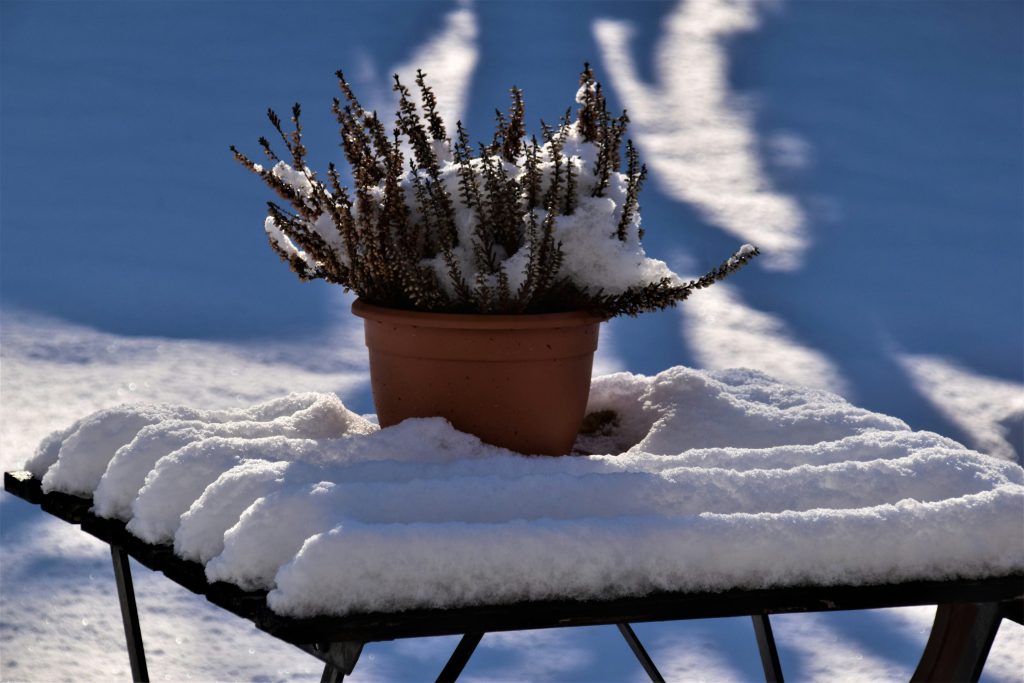
When soil freezes, the water it contains expands. This can lead to frost heave, where plants are lifted slightly out of the ground, exposing roots to cold and drying winds.
Repeated freezing and thawing can help break down exposed clods on some clay soils, but it will not correct deeper compaction or poor drainage. Sandy soils drain more freely but may freeze more deeply during prolonged cold weather.
Avoid digging or cultivating frozen or saturated ground. Working soil in these conditions can crush aggregates and cause lasting compaction. Our guide to improving soil structure explains how to protect damaged ground and support its gradual recovery.
Lawns and Winter Damage
Grass blades become brittle when frozen. Walking on frozen lawns damages plant cells, leading to blackened footprints and thinning patches that appear later in the season.
Compaction is also more severe in winter, particularly on wet ground. Avoid foot traffic on lawns during freezing or waterlogged conditions whenever possible.

Wildlife in Cold Weather
Cold weather makes survival more difficult for garden wildlife.
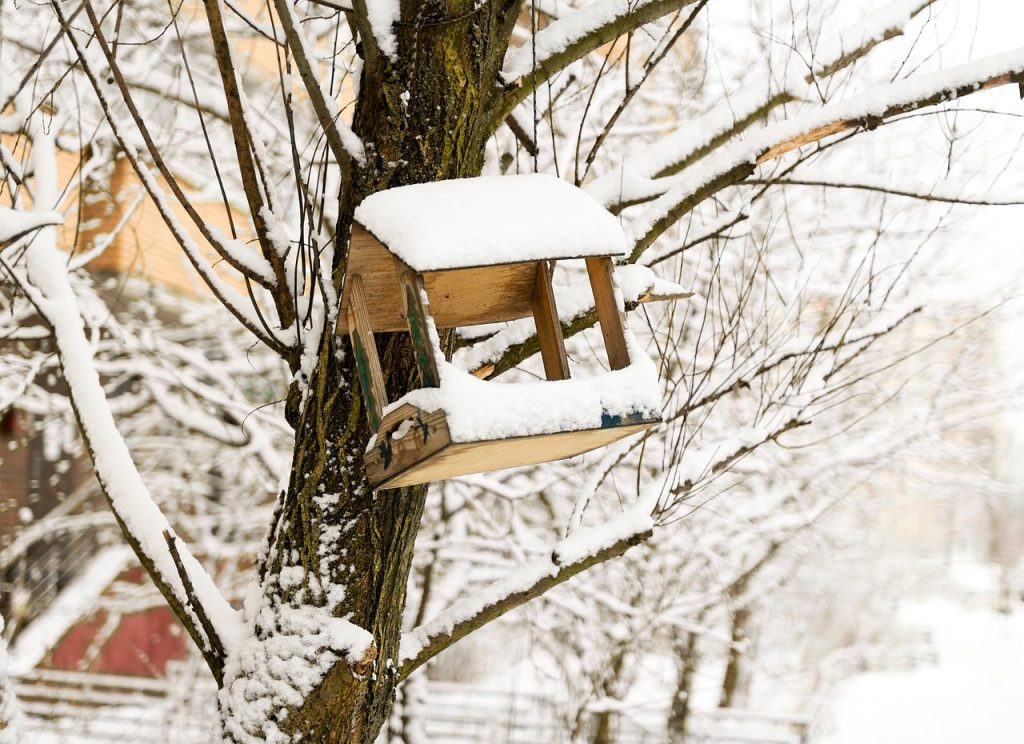
Snow and ice restrict access to natural food sources for birds, making feeding particularly valuable during prolonged cold spells. Fresh water is just as important and should be kept ice-free where possible.
Insects overwinter in leaf litter, hollow stems, soil and bark. Tidying these areas removes essential shelter and reduces beneficial insect populations.
Hedgehogs and other small mammals rely on undisturbed cover. Winter is not the time for major clearing or garden renovations.
What to Protect First During a Cold Snap
Gardeners do not need to protect everything.
Priority should be given to container plants, tender perennials, wind-exposed areas and newly planted specimens. Insulating pots, grouping containers together and providing basic shelter is often enough.
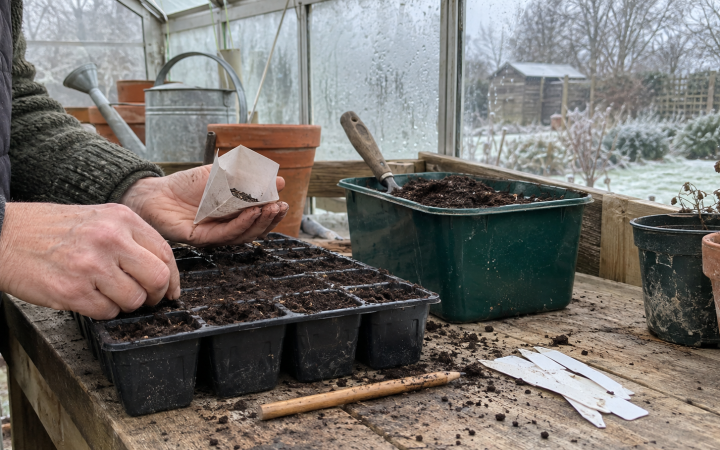
Recently germinated seedlings and young plants may also need shelter from severe frost, although many hardy seeds are suited to cool conditions. If you want to start flowers during the colder months, our guide to sowing flower seeds in winter explains which seeds to choose and how to protect the resulting seedlings.
In many cases, observation and patience are more effective than intervention.
Common Winter Gardening Mistakes
Some well-intentioned actions cause more harm than frost itself.
Knocking snow off plants unnecessarily can snap frozen stems.
Pruning frost-damaged growth too early exposes healthy tissue to further cold.
Walking on frozen lawns causes lasting damage.
Digging frozen soil destroys structure.
Over tidying removes vital winter shelter.
A Calm Approach to Winter Gardening
Winter is a natural pause in the gardening year. Most plants are well adapted to cold when left undisturbed, and many recover better than expected once spring arrives.
By understanding how cold weather and snow actually affect the garden, UK gardeners can protect vulnerable areas, avoid common mistakes, and approach winter with confidence rather than concern.
GHUK content is written for UK growing conditions and informed by hands-on professional gardening experience. It is designed to be practical, clear and useful in real gardens.