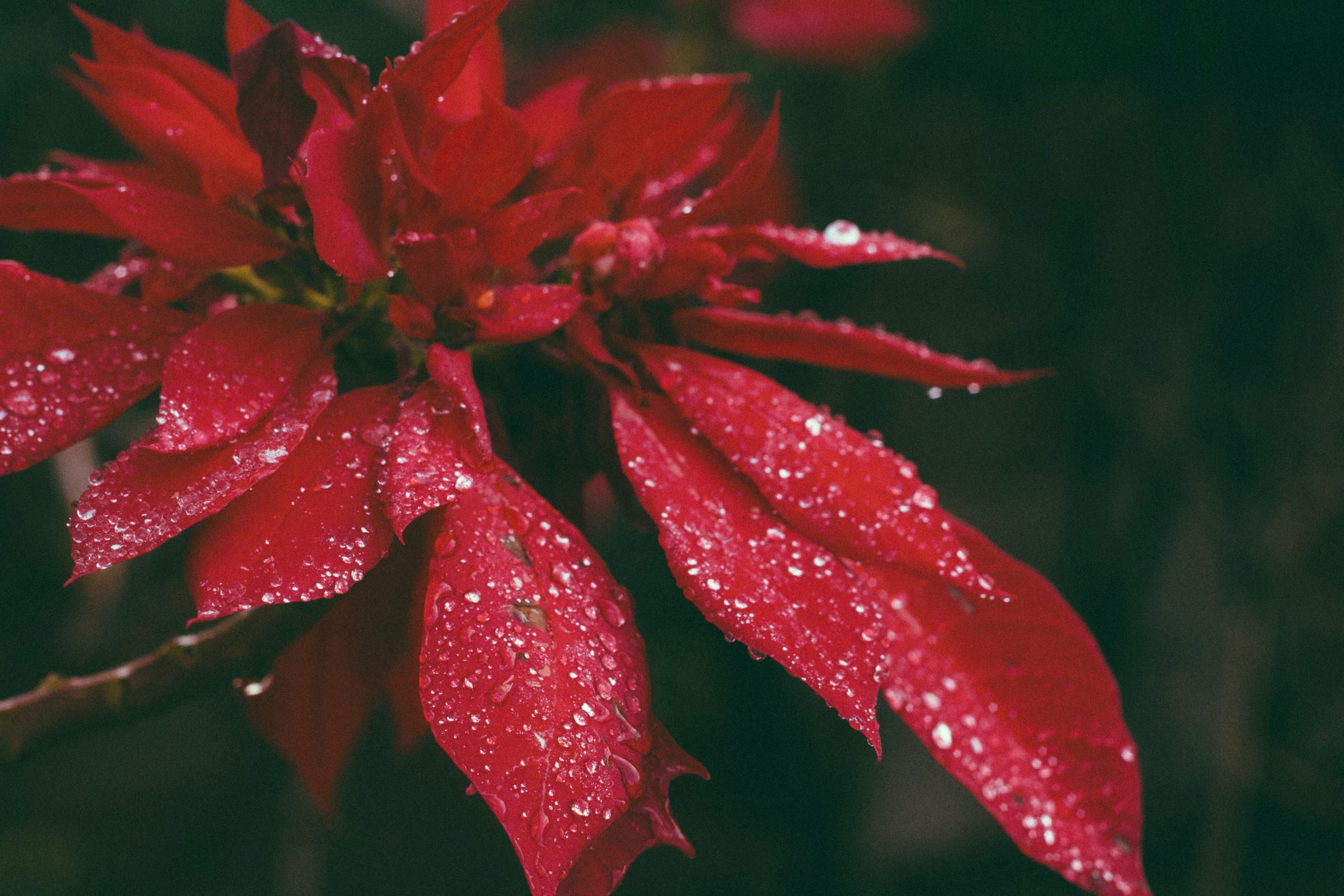
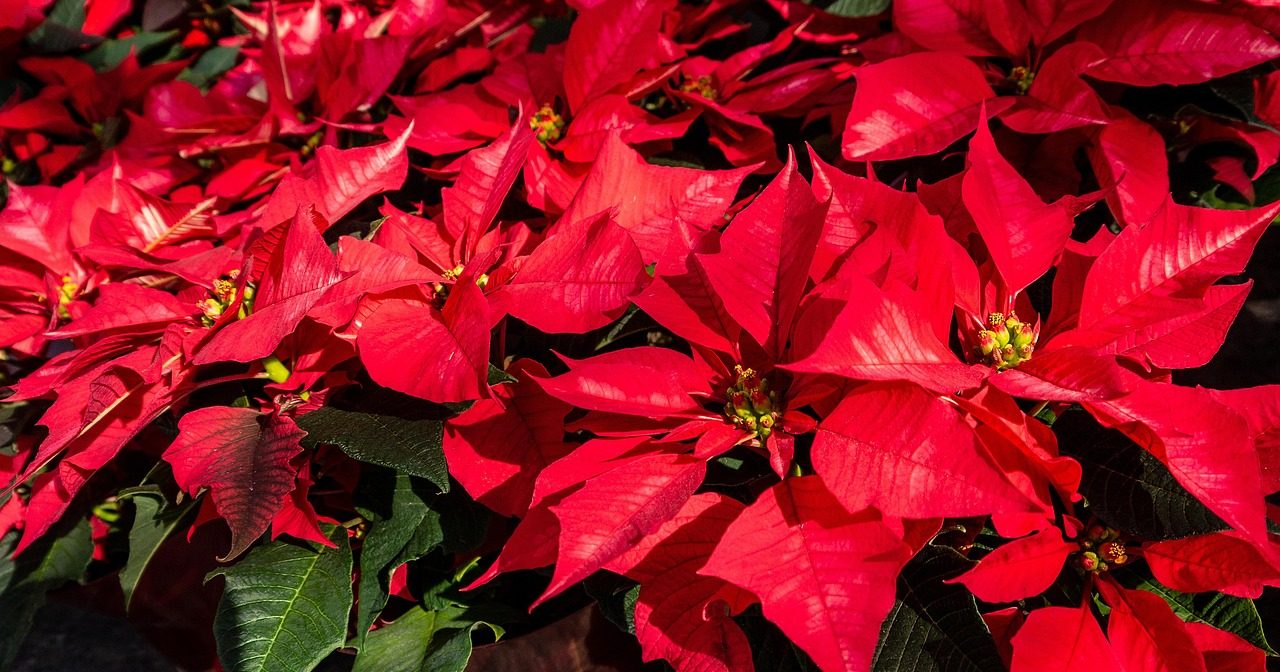
Reblooming a poinsettia is possible, but it does take commitment. These plants do not naturally turn red again indoors without help. The colour change is triggered by day length, not temperature, and this is where most attempts fail.
If you are happy with a challenge, here is how to give a poinsettia the best chance of flowering again for next Christmas.
First, Set Expectations
Poinsettias are short-day plants. They only produce coloured bracts when nights are long and uninterrupted. In nature, this happens naturally in late autumn. Indoors, artificial light disrupts the process.
This means reblooming a poinsettia requires strict light control for several weeks.
Some plants will never perform as well as shop bought ones. Success is not guaranteed, but it is achievable.
January to February: Recovery Phase
After Christmas, many poinsettias are recovering from the combined effects of transportation, changing temperatures, dry indoor air and irregular watering. Some leaf loss is common while the plant adjusts.
If your plant is shedding heavily or becoming bare, deal with the underlying problem before beginning the year-long reblooming process. Our guide to why poinsettias drop their leaves explains the most common causes and how to help the plant recover.
What to do
Keep the plant in a warm, bright room
Reduce watering slightly
Remove fallen leaves
Do not feed yet
At this stage, your goal is simply to keep the plant alive and stable.
March to April: Pruning and Restarting Growth
Once daylight levels increase, poinsettias begin to wake up.
What to do
Cut stems back to around 10 to 15 cm tall
Repot into fresh, free draining houseplant compost
Start watering a little more regularly
Begin feeding lightly every two weeks
This encourages bushy new growth rather than long, leggy stems.
May to August: Growing Season
This is when the plant builds strength for flowering later in the year.
What to do
Place in the brightest possible position indoors
Protect from cold nights and draughts
Water when the compost surface dries
Feed regularly with a balanced liquid feed
You can pinch back growing tips in early summer to keep the plant compact. Stop pinching by late July so the new shoots have time to mature before the autumn darkness treatment begins.

September to October: The Critical Darkness Period
This is the most important stage.
To trigger colour change, poinsettias need:
Around 14 hours of complete darkness every night
For 8 to 10 weeks
No light leaks at all
Even a lamp or TV light can break the cycle.
How to do it
Place the plant in a cupboard or box every evening at the same time
Remove it each morning and return it to bright light
Be consistent, every day
Missed nights or light exposure will delay or prevent reblooming.
November to December: Colour Development
If the darkness routine has worked, bracts should start to colour up in November.
What to do
Stop the darkness routine once colour is visible
Keep in bright, indirect light
Reduce feeding
Avoid cold stress
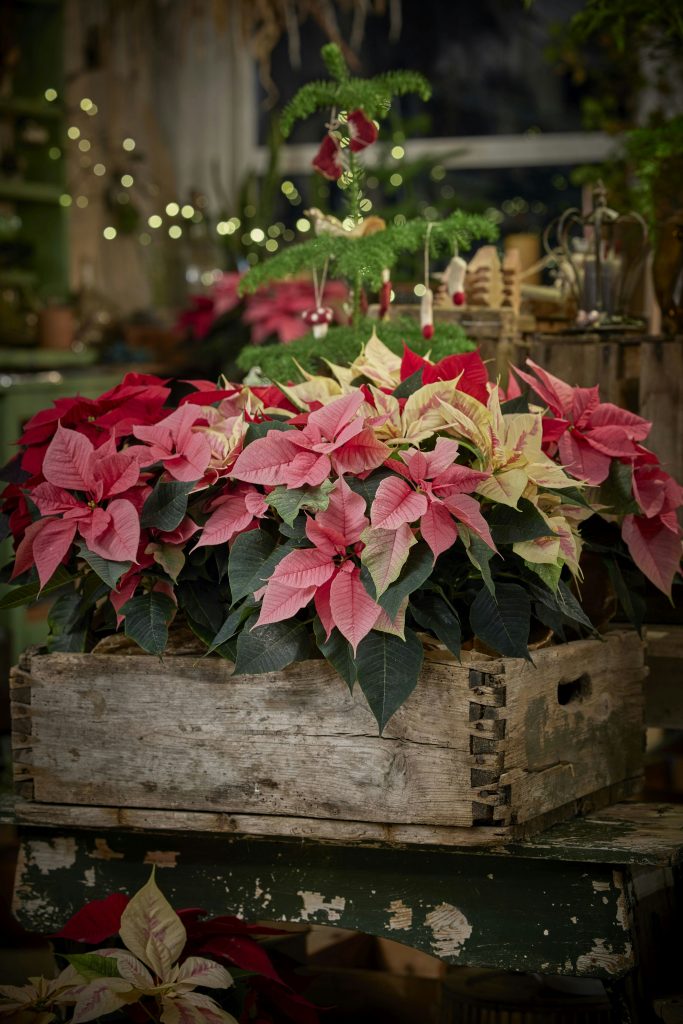
By December, you should have a coloured poinsettia again, ready for display.
Common Reasons Reblooming Fails
Inconsistent darkness
Night time light exposure
Overwatering during winter
Cold draughts
Giving up too early
Most failures happen in autumn, not winter.
Is It Worth It?
For many gardeners, yes. Reblooming a poinsettia is more about the challenge than perfection. Even partial colouring is a success.
If it fails, you have still kept a plant alive for a year, which is an achievement in itself.
Final Tip
If you want a simpler option, treat poinsettias as seasonal plants and compost them after winter. If you enjoy a challenge and routines, reblooming is a satisfying project.
Have you ever tried reblooming one, or is it on your gardening bucket list?
GHUK content is written for UK growing conditions and informed by hands-on professional gardening experience. It is designed to be practical, clear and useful in real gardens.