
Leafmould is one of the simplest and most valuable soil improvers you can make at home. Often referred to as gardeners’ gold, it is completely free, easy to produce, and incredibly beneficial for UK gardens.
Made from fallen deciduous leaves, leafmould breaks down slowly through fungal action into a dark, crumbly material that improves soil structure, boosts moisture retention, and supports healthy soil life. Unlike compost, which is broken down mainly by bacteria, leafmould works quietly over time and delivers long-term benefits to both soil and plants.
If you want healthier soil with less watering, stronger plants, and a more sustainable garden, leafmould is well worth making.
What Is Leafmould and Why Is It So Beneficial?
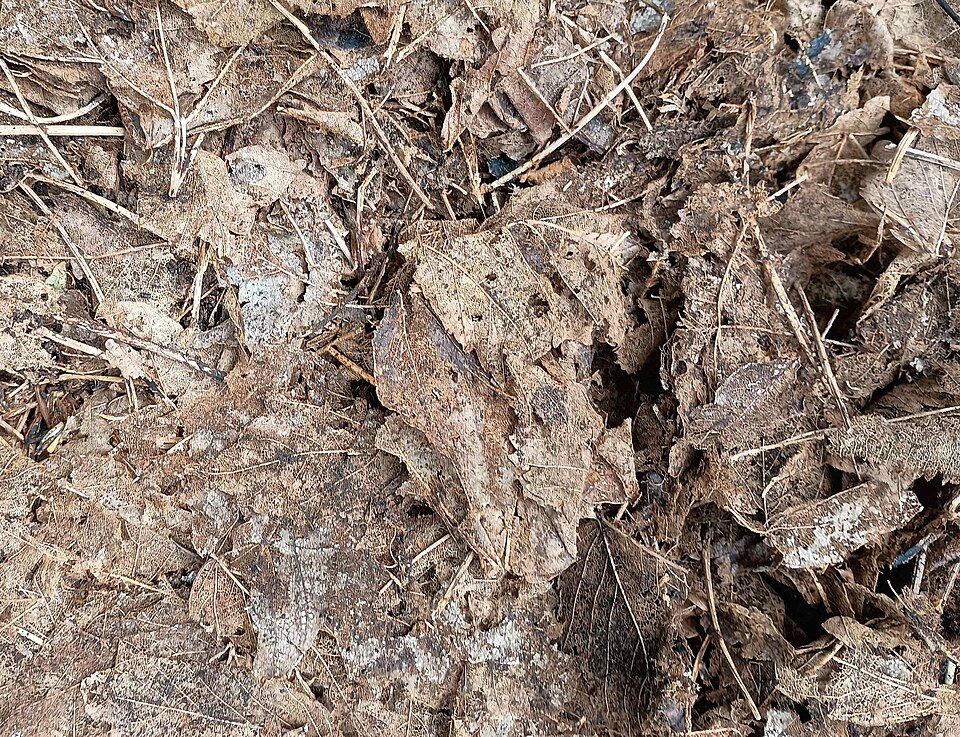
Leafmould is produced when fallen leaves are left to decompose naturally, mainly through fungal activity. Over time, the leaves transform into a rich, dark brown material with a spongy texture.
The benefits of leafmould include:
Improving soil structure, especially heavy clay or light sandy soils
Increasing moisture retention during dry periods
Feeding beneficial soil organisms such as fungi, worms, and microbes
Acting as an effective mulch to suppress weeds
Providing a gentle, slow-release soil conditioner
While leafmould is lower in nutrients than compost, it excels at improving soil health, which is the foundation for strong plant growth.
How to Make Leafmould
Leafmould is very easy to make, but it does require patience. The preparation takes very little effort, but the natural breakdown process can take between one and three years depending on conditions and how you plan to use it.
Simple Steps to Making Leafmould
Collect fallen leaves during autumn
Store them in a suitable container or pile
Keep them moist and allow nature to do the work
That really is all there is to it.
Speeding Up the Process
To help leaves break down faster, shred them before storing. This increases the surface area and allows fungi to colonise more quickly.
Good ways to shred leaves include:
Running over them with a lawnmower
Using a garden shredder
Do not worry if some grass clippings are collected with the leaves. Small amounts will add a little extra nutrition without harming the final product.
Best Leaves for Making Leafmould
Leaves from deciduous trees are ideal for making leafmould. Some of the best include oak, beech, and hornbeam.
Thicker leaves such as sycamore and horse chestnut take longer to break down due to their higher lignin content, but they are still perfectly usable.
Evergreen leaves like holly and laurel decompose very slowly and are best added in small quantities or shredded thoroughly.
Pine needles can also be used, but it is best to keep them separate. They tend to be more acidic, making pine needle leafmould ideal for ericaceous plants such as rhododendrons, blueberries, and camellias.
How and Where to Store Leafmould
There are several simple ways to store leaves while they break down. The key requirements are shelter, moisture, and airflow.
Leaf Pile Method
Leaves can be piled in a quiet, sheltered corner of the garden. Lightly wet the pile to stop leaves blowing away and cover it to protect it from the wind. This method works well if space is not an issue.
Bag Method
A very practical option is to store leaves in strong plastic bags or compost sacks. Tie the tops and add a few small holes to allow airflow. These bags can be stacked neatly behind sheds or fences and are ideal for smaller gardens.
Wire Cage Method
A wire cage made from chicken wire or garden fencing is one of the best long-term options. Simply form a circular or square cage, fill it with leaves, and leave it in a sheltered spot. Keep the contents slightly moist and allow them to break down naturally.
This method allows excellent airflow while keeping everything tidy and contained.
How Long Does Leafmould Take to Make?
The time it takes for leafmould to mature depends on several factors:
Temperature
Moisture levels
Type of leaves used
Whether leaves were shredded
Leafmould for Mulching
If you plan to use leafmould as a mulch, it can be ready in around one to two years. At this stage, the leaves may still be partially recognisable, but that is perfectly fine. They will continue to break down once applied to the soil.
Leafmould for Compost and Seed Starting
For use as a seed compost or for mixing into potting mixes, leafmould should be fully broken down. This usually takes three to four years. The finished product should be dark, crumbly, and free from recognisable leaf material.
How to Use Leafmould in the Garden
Leafmould has several excellent uses around the garden.
Mulching Beds and Borders
Spread a layer a few centimetres thick over the soil surface to:
Retain moisture
Suppress weeds
Improve soil structure
Avoid piling leafmould directly against plant stems to prevent rot.
If you do not have enough homemade leafmould and are buying compost or bark to mulch your beds, try our free Garden Materials Calculator. It will help you estimate the quantity required for your chosen area and mulch depth before you order.
Soil Conditioning
Incorporate well-rotted leafmould into the soil to improve structure, particularly in heavy clay or free-draining sandy soils. Regular applications can improve soil texture while helping the soil hold moisture and remain easier to work.
Finished leafmould is usually mildly acidic to neutral, typically around pH 5.5 to 7.0, so it is unlikely to make any significant change to the overall pH of most garden soils.
Seed Compost and Potting Mixes
Fully decomposed leafmould can be used as a seed-starting medium or mixed with garden compost to create a homemade potting mix.
Summary
Leafmould is one of the easiest and most sustainable ways to improve your garden soil. All it requires is fallen leaves, a suitable container, and time.
By collecting leaves each autumn and starting a new pile every year, you can ensure a steady supply of your own homemade leafmould. Instead of sending leaves away as waste, you are turning them into a valuable resource that benefits your soil, plants, and the wider garden ecosystem.
Leafmould improves moisture retention, enhances soil structure, feeds soil life, and reduces the need for watering and fertilisers. With minimal effort and a little patience, you can create one of the best soil conditioners available for UK gardens.
Start a pile this autumn and let nature do the rest.
GHUK content is written for UK growing conditions and informed by hands-on professional gardening experience. It is designed to be practical, clear and useful in real gardens.