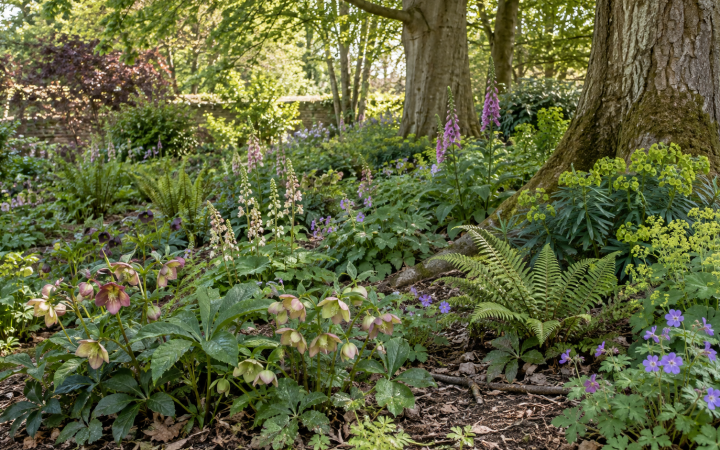
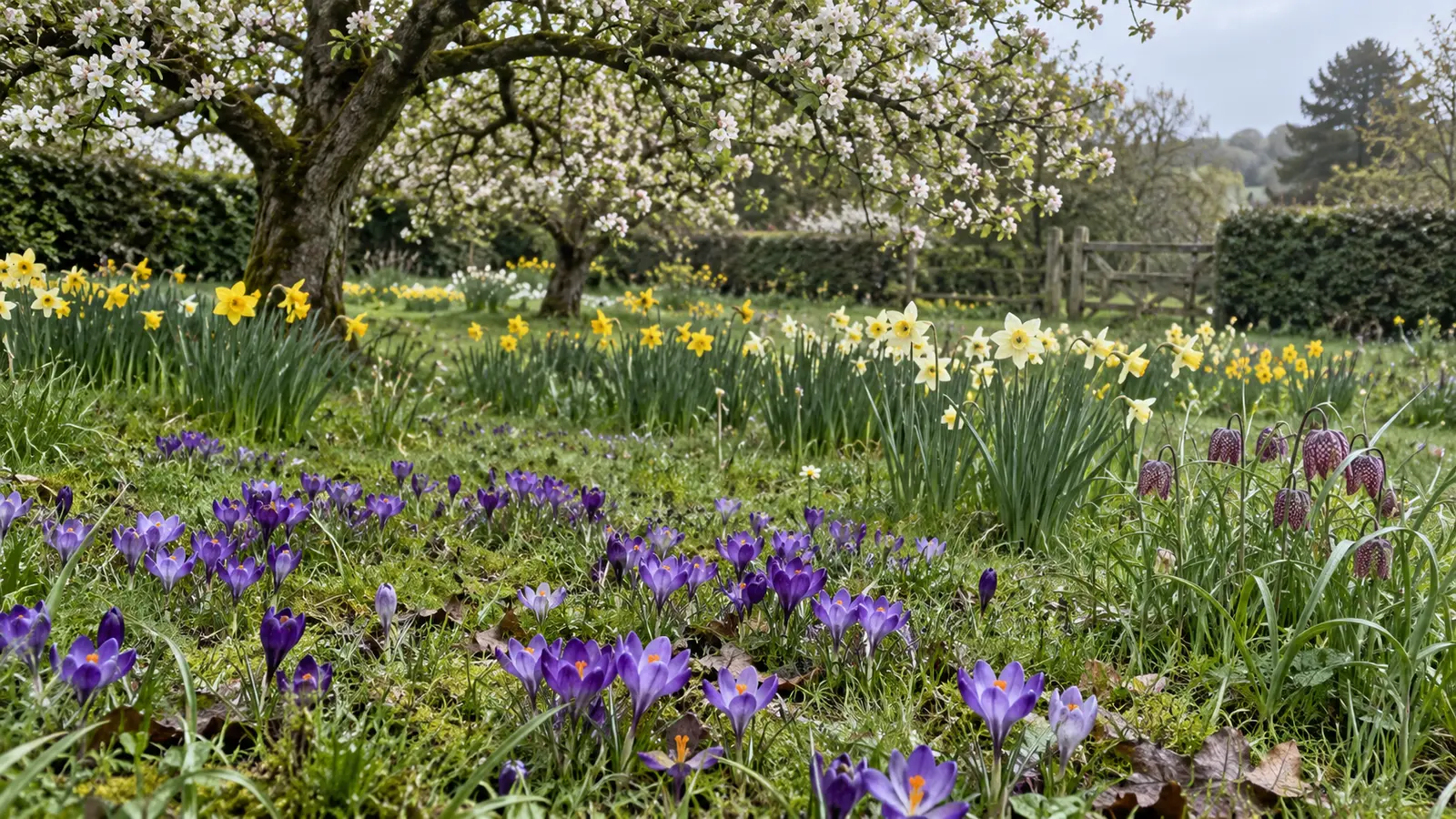
Planting spring bulbs does not have to mean starting again every autumn. Choose the right bulbs, put them in a suitable position and allow their leaves to complete their work after flowering, and many will gradually form larger clumps or spread through seed.
This is known as naturalising. It is the secret behind those impressive drifts of daffodils, crocuses and other spring flowers seen beneath trees, through lawns and along grass verges. The first display may be modest, but it can become better with every passing year.
What does naturalising mean?
A naturalised bulb is one that becomes established and continues growing with relatively little attention. Depending on the plant, it may spread by producing offsets around the original bulb, by setting seed, or through a combination of both.
Naturalising is different from simply planting a bulb that survives for another year. The aim is to establish a colony that gradually expands and begins to look as though it has always belonged in that part of the garden.
Success depends less on buying the largest or most expensive bulbs and more on matching each plant to the conditions. A bulb that enjoys moist meadow soil will struggle in a dry gravel border, while one that needs good drainage may rot in ground that remains wet through winter.
Choose the position before choosing the bulbs
Think carefully about how the area will be managed once the flowers finish.
Early flowering bulbs such as crocuses work well in short grass because their foliage usually dies back relatively early. Daffodils need longer, so the grass must remain unmown for at least six weeks after flowering and ideally until the leaves have turned yellow and straw like.
Later flowering bulbs, including camassias, are better suited to meadow areas, orchard grass or places that can remain uncut into early summer. Beneath deciduous trees, spring bulbs can take advantage of the available light before the canopy fills with leaves.
If you are unsure whether your ground is free draining or moisture retentive, our guides to soil structure and soil texture will help you understand it.
Seven spring bulbs that will naturalise
1. Daffodils
Daffodils are among the most dependable bulbs for naturalising in UK gardens. Smaller and earlier varieties are particularly useful in lawns that need to return to regular mowing, while larger trumpet and large cupped daffodils can make striking drifts in taller grass.
Good compact choices include ‘Tête à Tête’, ‘February Gold’, ‘Hawera’ and ‘Minnow’. In less frequently cut grass, traditional larger daffodils can be allowed to form bold colonies.
The essential aftercare is to leave the foliage alone until it yellows naturally. Cutting, tying or braiding green leaves reduces the area available for photosynthesis and can weaken the following year’s display.
2. Crocus tommasinianus
Crocus tommasinianus is a particularly good choice for producing pools of purple colour through lawns and beneath deciduous trees. It flowers early, stays low and can spread into increasingly generous groups where it is happy.
Choose a sunny or lightly shaded position with well drained soil. Plant the corms during late summer or autumn, approximately 5 to 6cm deep. Crocuses can be disturbed by squirrels and other animals, so firm the soil and turf back into place after planting.
3. Grape hyacinths
Grape hyacinths, particularly Muscari armeniacum, produce dense blue flower spikes and are extremely willing to multiply. They tolerate a range of soils provided the ground is reasonably well drained.
Their enthusiasm is both their strength and their weakness. They are excellent for informal borders, banks and larger areas where spreading is welcome, but they can become a nuisance in a small, carefully arranged border. Plant them where you will be pleased to see the colony expand.
4. Siberian squill
Siberian squill, Scilla siberica, produces nodding, vivid blue flowers on short stems in early spring. It grows in sun or partial shade and is useful beneath deciduous shrubs and trees, as well as in informal lawns and borders.
It prefers well drained soil and gradually forms clumps. Its relatively small size means it is most effective when planted generously rather than as isolated bulbs dotted across a large area.
5. Anemone blanda
Anemone blanda, sometimes called winter windflower, produces daisy shaped flowers in blue, white or pink. It is especially attractive beneath shrubs, along woodland edges and towards the front of informal borders.
It grows best in humus rich, well drained soil in sun or partial shade and prefers reasonably dry conditions while dormant. The small tubers can be difficult to tell apart at the top and bottom, so planting them on their sides is a simple solution when their orientation is unclear.
6. Snake’s head fritillary
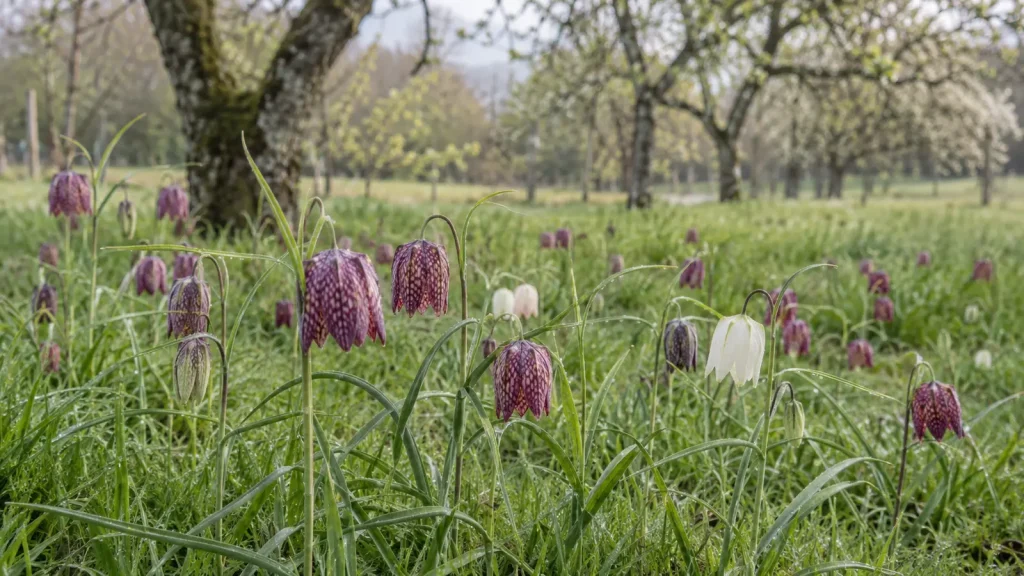
Snake’s head fritillary, Fritillaria meleagris, brings something completely different to spring grass. Its nodding flowers carry a distinctive chequered pattern in shades of purple, with white forms also available.
It suits fertile, humus rich ground that remains cool and moist but is not stagnant. The bulbs are fragile and should be handled carefully and planted promptly. This is a particularly good choice for damp lawns, orchard grass and meadow style areas that can remain uncut while the foliage matures.
7. Camassias
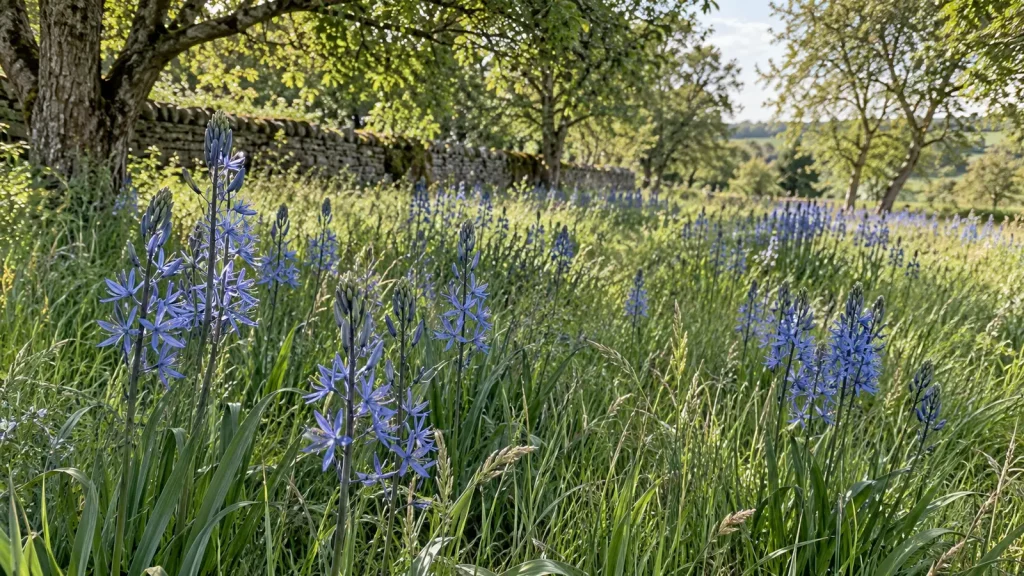
Camassias send up tall stems of starry blue, violet or creamy white flowers in late spring and early summer. Their height makes them useful for extending the display after crocuses and many daffodils have finished.
Grow them in fertile, humus rich soil that is moist but well drained. Because they flower later, camassias are not suitable for a lawn that must be mown regularly in spring. Use them in long grass, meadow planting or the back of an informal border. They can self seed generously where conditions suit them, so remove spent flower spikes if their spread needs to be controlled.
Quick guide to matching bulbs with the right position
| Bulb | Best position | Soil preference | Flowering period | Important point |
|---|---|---|---|---|
| Daffodils | Lawns, banks and orchard grass | Moist but well drained | Early to mid spring | Do not mow until foliage has yellowed |
| Crocus tommasinianus | Short grass and beneath deciduous trees | Well drained | Early spring | Plant around 5 to 6cm deep |
| Grape hyacinths | Informal borders and banks | Moderately fertile and well drained | Mid spring | Can spread enthusiastically |
| Siberian squill | Beneath trees, lawns and informal borders | Well drained | Early spring | Plant in generous groups |
| Anemone blanda | Woodland edges and border fronts | Humus rich and well drained | Early to mid spring | Prefers a relatively dry dormancy |
| Snake’s head fritillary | Damp lawns and meadow areas | Cool, moist and humus rich | Mid spring | Handle the fragile bulbs carefully |
| Camassias | Long grass, meadows and border backs | Fertile, moist but well drained | Late spring to early summer | Allow for their later foliage |
How to plant bulbs for a natural effect
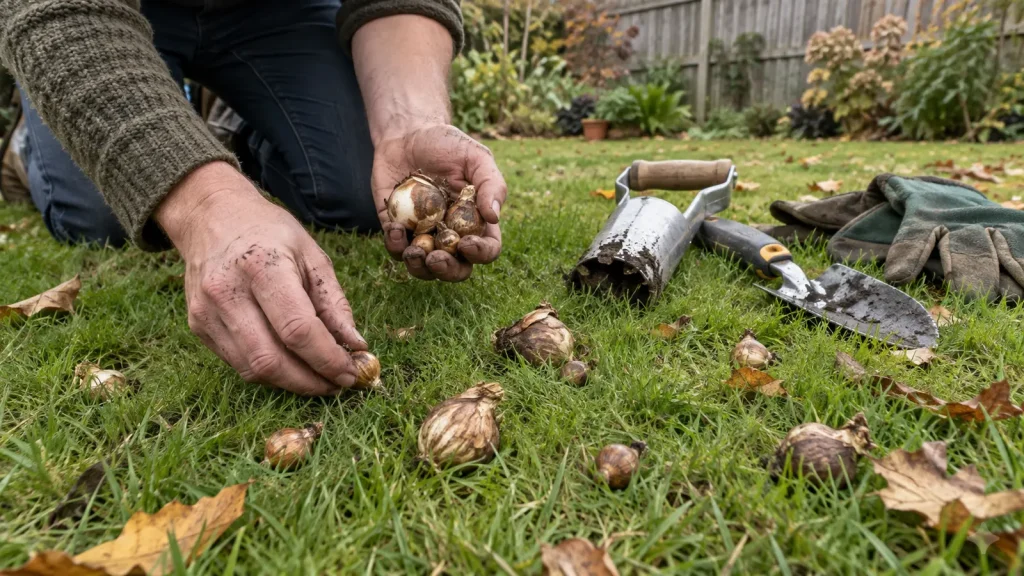
Spring flowering bulbs are normally planted in autumn. Buy firm, healthy bulbs and discard any that are soft, mouldy or badly damaged.
For a natural appearance, scatter handfuls over the chosen area and plant each bulb where it lands. Avoid correcting them into evenly spaced rows. Check that none have fallen directly on top of one another, as serious overcrowding can reduce flowering in later years.
Use a trowel or bulb planter to make individual holes in grass. As a general rule, plant bulbs at a depth of around two to three times their own height, although the instructions for the individual species should take priority. Snake’s head fritillaries are commonly planted more deeply, at around four times the height of the bulb.
Place each bulb with its pointed end facing upwards, backfill with loosened soil and replace the turf so it sits level with the surrounding lawn. If you have large numbers of small bulbs, it may be quicker to lift sections of turf, lightly fork the soil underneath and scatter the bulbs before replacing the turf.
Water after planting if the soil is dry. In naturally moist autumn soil, additional watering is rarely necessary.
Planning a larger display? Our free Bulb Planting Planner helps you calculate how many bulbs you need and create a visual layout for your lawn or border. Choose naturalised drifts, planting groups or an even arrangement, then save or print your planting plan.
The aftercare that determines next year’s display
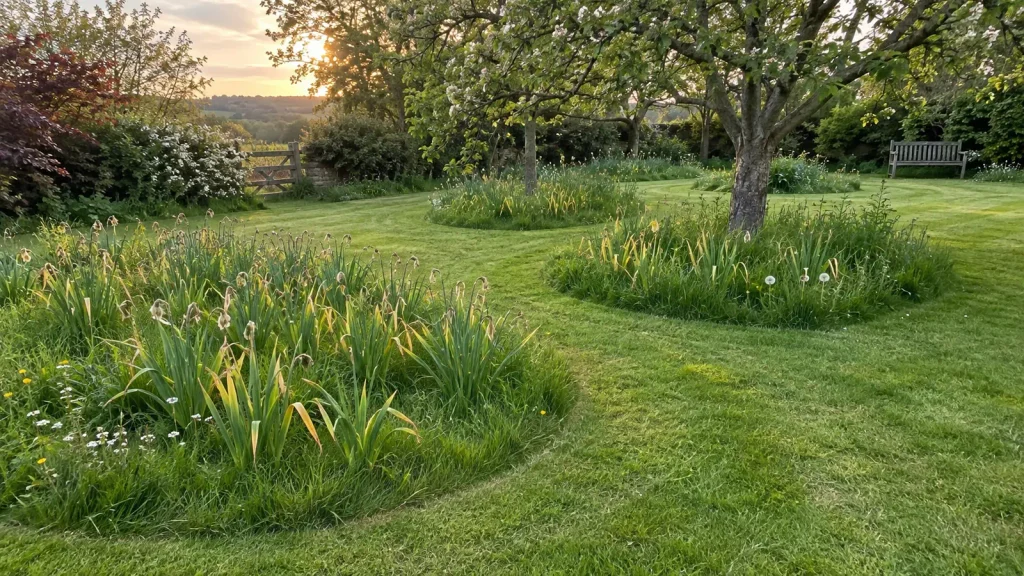
The most common mistake is cutting the foliage too soon. Leaves continue feeding the bulb after flowering, storing the energy needed to produce next year’s growth and flowers.
Leave planted grass unmown until the bulb foliage has turned yellow and begun dying back. This generally takes around six weeks after flowering, although weather, species and location will affect the timing. Let the leaves guide you rather than mowing on a fixed date.
Where bulbs are expected to spread by seed, allow at least some flower heads to mature. If you want daffodils to concentrate their energy on building stronger bulbs instead, remove the faded flowers while leaving every green leaf intact.
Why naturalised bulbs sometimes disappear
If the display becomes weaker rather than stronger, check for one of these common causes:
- The foliage was cut or mown while still green.
- The soil is too wet for bulbs that require good drainage.
- Moisture loving bulbs have been planted in ground that becomes very dry.
- The bulbs were planted too shallowly and dried out.
- Congested clumps need lifting and dividing while dormant.
- Poor quality bulbs were planted or bulbs were stored for too long.
- Crocuses or other bulbs have been disturbed by squirrels, rodents or birds.
- The grass is heavily walked on or the soil has become compacted.
Naturalising takes patience. You should see flowers during the first spring after planting, but the loose, established drifts that make the biggest impact develop over several growing seasons.
Plant once and allow the display to improve
The best naturalised planting does not look carefully arranged. It follows the contours of the garden, gathers into uneven colonies and leaves some areas of grass untouched.
Start with bulbs suited to the soil and mowing regime, plant enough to create visible groups and resist tidying the foliage before it has finished naturally. Get those three things right and this autumn’s planting can continue rewarding you for many springs to come.
GHUK content is written for UK growing conditions and informed by hands-on professional gardening experience. It is designed to be practical, clear and useful in real gardens.